

-
Table of Contents
How to Analyze Your TikTok Marketing Campaigns
In the fast-paced world of social media, TikTok has emerged as a powerful platform for brands looking to engage with younger audiences. With over 1 billion active users, TikTok offers unique opportunities for marketing campaigns. However, to maximize your return on investment (ROI), it’s crucial to analyze your TikTok marketing campaigns effectively. This article will guide you through the essential steps to analyze your campaigns, providing valuable insights and practical tips.
Understanding TikTok Analytics
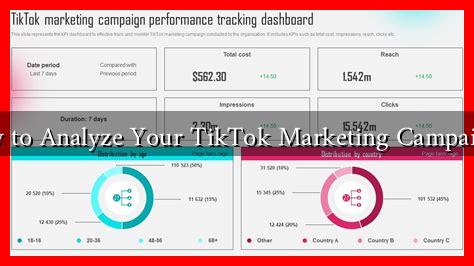
Before diving into analysis, it’s important to familiarize yourself with TikTok’s built-in analytics tools. TikTok provides a comprehensive analytics dashboard for Pro accounts, which can be accessed through the app. Here are the key metrics you should focus on:
- Views: The total number of times your video has been viewed.
- Engagement Rate: The sum of likes, comments, and shares divided by the total views.
- Follower Growth: The increase in followers over a specific period.
- Traffic Sources: Where your views are coming from, such as the For You page or profile visits.
- Audience Insights: Demographic information about your viewers, including age, gender, and location.
Setting Clear Objectives
Before analyzing your campaigns, it’s essential to set clear objectives. What do you want to achieve with your TikTok marketing? Common objectives include:
- Increasing brand awareness
- Driving website traffic
- Boosting sales or conversions
- Growing your follower base
By defining your goals, you can tailor your analysis to measure success against these specific benchmarks.
Measuring Performance Against KPIs
Key Performance Indicators (KPIs) are vital for assessing the effectiveness of your campaigns. Here are some KPIs to consider:
- Engagement Rate: A high engagement rate indicates that your content resonates with your audience.
- Conversion Rate: Track how many viewers take the desired action, such as visiting your website or making a purchase.
- Cost Per Click (CPC): If you’re running paid ads, monitor how much you’re spending for each click.
For example, a campaign by the skincare brand Glossier effectively used TikTok to engage users with tutorials and user-generated content, resulting in a significant increase in both engagement and sales.
Analyzing Content Performance
Not all content performs equally on TikTok. To understand what works best for your audience, analyze the performance of individual videos. Consider the following:
- Content Type: Identify which types of content (e.g., tutorials, challenges, behind-the-scenes) generate the most engagement.
- Video Length: Experiment with different video lengths to see what keeps viewers engaged.
- Posting Time: Analyze when your audience is most active and adjust your posting schedule accordingly.
For instance, a case study on HubSpot revealed that brands posting during peak hours saw a 30% increase in engagement compared to those posting at off-peak times.
Utilizing Audience Insights
Understanding your audience is crucial for effective marketing. Use TikTok’s audience insights to tailor your content to your viewers’ preferences. Key insights include:
- Age demographics
- Geographic location
- Interests and behaviors
By aligning your content with your audience’s interests, you can create more engaging and relevant campaigns.
Iterating and Improving
Finally, the analysis should lead to actionable insights. Use the data collected to iterate on your campaigns. Here are some strategies for improvement:
- Test different content formats and styles.
- Adjust your posting schedule based on audience activity.
- Refine your targeting for paid ads based on performance data.
Continuous improvement is key to long-term success on TikTok.
Conclusion
Analyzing your TikTok marketing campaigns is essential for maximizing engagement and achieving your business objectives. By understanding TikTok analytics, setting clear goals, measuring performance against KPIs, analyzing content performance, utilizing audience insights, and iterating on your strategies, you can create effective campaigns that resonate with your audience. Remember, the landscape of social media is ever-changing, so staying adaptable and data-driven will ensure your brand remains relevant and successful on TikTok.
