

-
Table of Contents
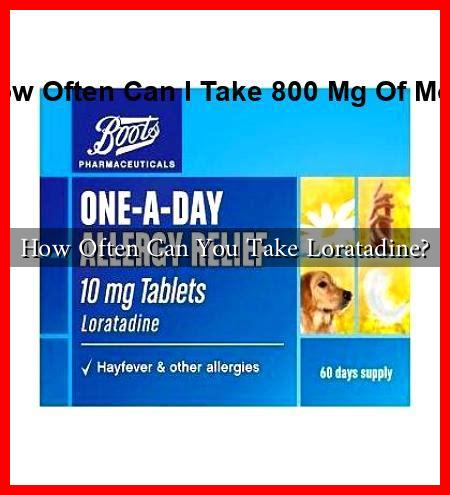
How Often Can You Take Loratadine?
Loratadine is a popular antihistamine used primarily to relieve allergy symptoms such as sneezing, runny nose, and itchy eyes. As with any medication, understanding the appropriate dosage and frequency of use is crucial for safety and effectiveness. This article will explore how often you can take loratadine, its mechanism of action, potential side effects, and important considerations for users.
Understanding Loratadine
Loratadine is a second-generation antihistamine that works by blocking the action of histamine, a substance in the body that causes allergic symptoms. Unlike first-generation antihistamines, loratadine is less likely to cause drowsiness, making it a preferred choice for many individuals suffering from allergies.
Recommended Dosage
The standard dosage for loratadine varies based on age and specific health conditions. Here are the general guidelines:
- Adults and children over 6 years: The typical dose is 10 mg once daily.
- Children aged 2 to 5 years: The recommended dose is 5 mg once daily.
- Children under 2 years: Consult a pediatrician for appropriate dosing.
It is essential to adhere to these guidelines to avoid potential side effects or complications. For instance, taking more than the recommended dose can lead to increased risk of side effects, including headaches, fatigue, and gastrointestinal issues.
How Often Can You Take Loratadine?
Loratadine is typically taken once daily due to its long-lasting effects. The medication can provide relief for up to 24 hours, which is why a single daily dose is sufficient for most individuals. However, some factors may influence how often you can take loratadine:
- Severity of Symptoms: If symptoms are particularly severe, consult a healthcare provider for advice on managing your dosage.
- Other Medications: If you are taking other medications, it’s crucial to discuss with your doctor to avoid potential interactions.
- Underlying Health Conditions: Individuals with liver or kidney issues may require adjusted dosages.
Potential Side Effects
While loratadine is generally well-tolerated, some users may experience side effects. Common side effects include:
- Headache
- Drowsiness (though less common than with first-generation antihistamines)
- Dry mouth
- Fatigue
In rare cases, more severe side effects may occur, such as rapid heartbeat or allergic reactions. If you experience any severe symptoms, seek medical attention immediately.
Case Studies and Statistics
According to a study published in the Journal of Allergy and Clinical Immunology, loratadine has been shown to significantly reduce allergy symptoms in over 70% of participants within the first 24 hours of administration. This statistic underscores the effectiveness of loratadine as a first-line treatment for allergic rhinitis.
Another study indicated that patients who adhered to the recommended dosage experienced fewer side effects and better overall satisfaction with their treatment. This highlights the importance of following prescribed guidelines for loratadine use.
Conclusion
In summary, loratadine is an effective antihistamine that can be taken once daily for the relief of allergy symptoms. Adhering to the recommended dosage is crucial for maximizing benefits while minimizing potential side effects. Always consult with a healthcare provider if you have any concerns about your symptoms or if you are taking other medications. By understanding how often you can take loratadine and following the guidelines, you can effectively manage your allergy symptoms and improve your quality of life.
