

-
Table of Contents
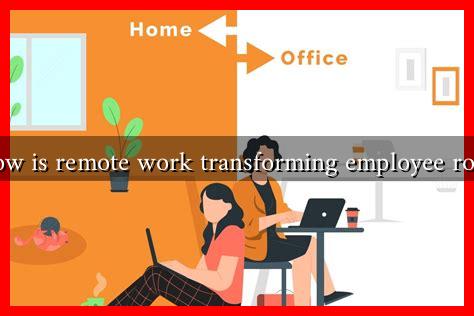
How is Remote Work Transforming Employee Roles?
The rise of remote work has fundamentally altered the landscape of employment, reshaping not only where employees work but also how they perform their roles. As organizations adapt to this new normal, the transformation of employee roles has become a focal point for both employers and employees alike. This article explores the various ways remote work is changing employee roles, supported by relevant examples, case studies, and statistics.
The Shift in Work Dynamics
Remote work has shifted traditional work dynamics, leading to a re-evaluation of employee roles across various sectors. The COVID-19 pandemic accelerated this trend, with a significant increase in remote work adoption. According to a report by Stanford University, remote work has increased productivity by 13% among employees, highlighting the potential benefits of this new work model.
Redefining Job Responsibilities
As employees transition to remote work, their job responsibilities are evolving. Here are some key changes:
- Increased Autonomy: Remote work often requires employees to manage their time and tasks independently, leading to greater autonomy in their roles.
- Focus on Results: Employers are increasingly prioritizing outcomes over hours worked, shifting the focus from time spent in the office to the quality and efficiency of work produced.
- Collaboration Tools: The rise of digital collaboration tools like Slack, Zoom, and Asana has transformed how teams communicate and collaborate, necessitating new skills and adaptability.
Emerging Skills and Competencies
With the shift to remote work, employees are required to develop new skills and competencies to thrive in their roles. Some of these include:
- Digital Literacy: Proficiency in digital tools and platforms has become essential for effective communication and collaboration.
- Self-Management: Employees must cultivate self-discipline and time management skills to maintain productivity without direct supervision.
- Emotional Intelligence: As remote work can lead to feelings of isolation, employees need to develop emotional intelligence to foster team cohesion and support mental well-being.
Case Studies: Companies Leading the Way
Several companies have successfully navigated the transition to remote work, providing valuable insights into how employee roles can be transformed:
- GitLab: As a fully remote company, GitLab has developed a comprehensive guide to remote work, emphasizing transparency and documentation. Their approach has allowed employees to take ownership of their roles while fostering a strong company culture.
- Zapier: Zapier has embraced a remote-first culture, focusing on asynchronous communication. This model has empowered employees to work flexibly while ensuring that collaboration remains effective.
The Impact on Work-Life Balance
Remote work has also significantly impacted employees’ work-life balance. While many employees appreciate the flexibility that remote work offers, it can also blur the lines between personal and professional life. A survey by Buffer found that 22% of remote workers struggle with unplugging after work, indicating the need for clear boundaries.
Challenges and Considerations
Despite the benefits, remote work presents challenges that can affect employee roles:
- Communication Barriers: Remote work can lead to misunderstandings and miscommunications, necessitating a focus on clear and concise communication.
- Isolation: Employees may feel isolated without in-person interactions, which can impact morale and team dynamics.
- Performance Monitoring: Employers must find effective ways to monitor performance without micromanaging, which can be a delicate balance.
Conclusion
The transformation of employee roles due to remote work is profound and multifaceted. As organizations continue to embrace this model, employees are adapting by redefining their responsibilities, developing new skills, and navigating the challenges that come with remote work. The shift towards autonomy, results-oriented performance, and the use of digital tools are just a few of the ways remote work is reshaping the workforce. As we move forward, it is crucial for both employers and employees to remain adaptable and proactive in addressing the evolving nature of work.
For more insights on remote work trends and best practices, you can visit Forbes.
