

-
Table of Contents
How is Climate Change Driving a Shift in Fall Crop Varieties?
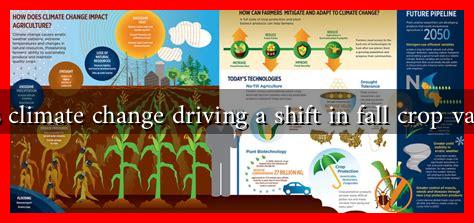
Climate change is one of the most pressing issues of our time, affecting various aspects of life, including agriculture. As temperatures rise and weather patterns become increasingly erratic, farmers are compelled to adapt their practices and crop selections. This article explores how climate change is driving a shift in fall crop varieties, examining the implications for food security, economic stability, and environmental sustainability.
The Impact of Climate Change on Agriculture
Climate change manifests in several ways that directly affect agricultural practices:
- Rising Temperatures: Average global temperatures have increased, leading to warmer growing seasons.
- Altered Precipitation Patterns: Changes in rainfall can lead to droughts in some regions and flooding in others.
- Increased Pest and Disease Pressure: Warmer temperatures can expand the range of pests and diseases that affect crops.
These factors create a challenging environment for traditional fall crops, which have been cultivated for generations. As a result, farmers are increasingly looking for alternative varieties that can withstand these changes.
Shifting Crop Varieties: A Response to Climate Change
Farmers are adapting to climate change by shifting to more resilient crop varieties. This shift is not merely a trend but a necessity for survival in an unpredictable climate. Here are some examples of how this is happening:
- Heat-Resistant Varieties: Crops such as corn and soybeans are being bred for heat tolerance. For instance, researchers at the University of Illinois have developed corn hybrids that can thrive in higher temperatures.
- Drought-Resistant Crops: In regions experiencing water scarcity, farmers are turning to drought-resistant varieties of crops like millet and sorghum, which require less water to grow.
- Shorter Growing Seasons: As fall temperatures rise, farmers are planting varieties that mature faster. For example, some farmers in the Midwest are now growing early-maturing soybean varieties to avoid late-season heat stress.
Case Studies: Successful Adaptations
Several regions have successfully adapted their fall crop varieties in response to climate change:
- California’s Wine Industry: As temperatures rise, vineyards are experimenting with grape varieties that can withstand heat and drought, such as Grenache and Mourvèdre, which are more resilient than traditional varieties.
- Midwestern Corn Farmers: In states like Iowa and Illinois, farmers are increasingly planting cover crops like radishes and clover in the fall to improve soil health and reduce erosion, while also providing a buffer against extreme weather.
- Southern U.S. Cotton Farmers: Farmers in the southern U.S. are shifting to cotton varieties that are more tolerant to heat and drought, ensuring better yields despite changing climate conditions.
The Economic Implications of Crop Shifts
The shift in crop varieties due to climate change has significant economic implications:
- Increased Costs: Farmers may incur higher costs for seeds and technology to grow new varieties.
- Market Demand: As consumer preferences shift towards more sustainable and resilient crops, farmers who adapt may find new market opportunities.
- Food Security: By diversifying crop varieties, farmers can contribute to food security, ensuring a stable food supply even in the face of climate challenges.
Conclusion: The Path Forward
Climate change is undeniably reshaping the agricultural landscape, particularly in the fall crop sector. As farmers adapt to rising temperatures, altered precipitation patterns, and increased pest pressures, the shift towards more resilient crop varieties becomes essential. This adaptation not only addresses immediate agricultural challenges but also contributes to long-term food security and economic stability.
In summary, the ongoing changes in climate necessitate a proactive approach to agriculture, where innovation and adaptability are key. By embracing new crop varieties and sustainable practices, farmers can navigate the complexities of climate change while ensuring a resilient food system for future generations. For more information on climate change and agriculture, you can visit the USDA Natural Resources Conservation Service.
