

-
Table of Contents
How Does Self-Esteem Affect Your Attraction to Others?
Self-esteem plays a crucial role in shaping our perceptions, behaviors, and interactions with others. It influences not only how we view ourselves but also how we perceive and are attracted to others. Understanding the relationship between self-esteem and attraction can provide valuable insights into personal relationships and social dynamics.
The Connection Between Self-Esteem and Attraction
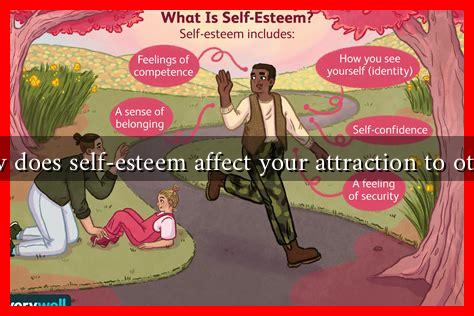
Self-esteem refers to the subjective evaluation of one’s own worth. It encompasses beliefs about oneself, such as confidence, competence, and self-respect. Research indicates that self-esteem significantly impacts interpersonal attraction in various ways:
- Confidence Levels: Individuals with high self-esteem tend to exude confidence, which is often attractive to others. Confidence can manifest in body language, communication style, and social interactions.
- Perceived Value: People with high self-esteem often believe they deserve positive relationships, making them more selective in their partners. This selectivity can enhance their attractiveness.
- Social Skills: High self-esteem is associated with better social skills, enabling individuals to engage more effectively in conversations and social settings, which can increase their attractiveness.
How Low Self-Esteem Affects Attraction
Conversely, low self-esteem can have detrimental effects on attraction and relationships:
- Insecurity: Individuals with low self-esteem may feel unworthy of love and affection, leading to self-sabotaging behaviors in relationships.
- Negative Perceptions: Low self-esteem can cause individuals to project their insecurities onto others, leading to misinterpretations of social cues and potential partners’ intentions.
- Fear of Rejection: Those with low self-esteem may avoid pursuing relationships altogether due to a fear of rejection, limiting their opportunities for connection.
Case Studies and Research Findings
Numerous studies have explored the link between self-esteem and attraction. For instance, a study published in the journal Personality and Individual Differences found that individuals with higher self-esteem were more likely to engage in romantic relationships and report greater satisfaction in those relationships. The study highlighted that self-esteem not only affects attraction but also the quality of relationships formed.
Another research study conducted by the University of California, Los Angeles (UCLA) found that self-esteem influences the types of partners individuals are attracted to. Those with high self-esteem were more likely to seek partners who matched their self-worth, while those with low self-esteem often settled for less, believing they did not deserve better.
Practical Implications for Improving Self-Esteem
Improving self-esteem can enhance attraction and relationship satisfaction. Here are some practical strategies:
- Self-Reflection: Engage in self-reflection to identify negative beliefs and challenge them. Journaling can be a helpful tool.
- Set Achievable Goals: Setting and achieving small goals can boost confidence and self-worth.
- Seek Support: Surround yourself with supportive friends and family who uplift you and reinforce positive self-perceptions.
- Professional Help: Consider therapy or counseling to address deeper issues related to self-esteem.
Conclusion
Self-esteem is a powerful factor that influences attraction and relationship dynamics. High self-esteem fosters confidence, better social skills, and a positive outlook on relationships, making individuals more attractive to potential partners. Conversely, low self-esteem can lead to insecurity, negative perceptions, and fear of rejection, hindering relationship opportunities. By understanding and improving self-esteem, individuals can enhance their attractiveness and build healthier, more fulfilling relationships.
In summary, nurturing self-esteem is not just about feeling good about oneself; it is a vital component in the complex web of human attraction and relationships. By investing in self-worth, individuals can open doors to deeper connections and more satisfying romantic experiences.
