


-
Table of Contents
How Does Nuclear Energy Work
Nuclear energy is a powerful and controversial source of energy that has the potential to provide clean and efficient electricity. Understanding how nuclear energy works is essential to grasp its benefits and risks. In this article, we will explore the process of nuclear energy generation, its advantages, and its challenges.
The Basics of Nuclear Energy
Nuclear energy is produced through a process called nuclear fission, where the nucleus of an atom is split into smaller parts, releasing a large amount of energy. This process is typically carried out in nuclear reactors, which are designed to control and harness the energy released during fission.
Nuclear Reactors
Nuclear reactors are the heart of nuclear power plants. They contain fuel rods made of uranium, a radioactive element that undergoes fission when bombarded with neutrons.
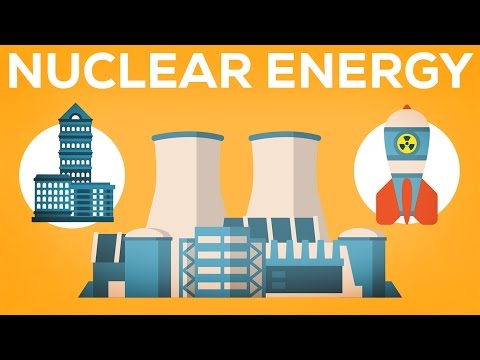
. The fission process releases heat, which is used to generate steam. The steam then drives turbines connected to generators, producing electricity.
Nuclear Fuel Cycle
The nuclear fuel cycle involves the mining, processing, enrichment, and disposal of nuclear fuel. Uranium is the most commonly used fuel in nuclear reactors, but other elements like plutonium can also be used. The spent fuel from reactors is highly radioactive and needs to be stored safely for thousands of years.
Advantages of Nuclear Energy
Nuclear energy has several advantages over other forms of energy:
- Low greenhouse gas emissions: Nuclear power plants produce minimal greenhouse gas emissions, making them a cleaner alternative to fossil fuels.
- Reliable and efficient: Nuclear reactors can operate continuously for long periods, providing a stable source of electricity.
- High energy density: Nuclear fuel has a high energy density, meaning a small amount of fuel can produce a large amount of energy.
Challenges of Nuclear Energy
Despite its advantages, nuclear energy also poses significant challenges:
- Radioactive waste: The disposal of radioactive waste is a major concern, as it remains hazardous for thousands of years.
- Accidents: Nuclear accidents, such as the Chernobyl and Fukushima disasters, have raised concerns about the safety of nuclear power plants.
- Proliferation: The use of nuclear technology for energy production also raises concerns about nuclear weapons proliferation.
Conclusion
In conclusion, nuclear energy is a complex and powerful source of energy that has the potential to play a significant role in the future of energy production. Understanding how nuclear energy works, its advantages, and its challenges is essential to making informed decisions about its use. While nuclear energy offers clean and efficient electricity, it also comes with significant risks that must be carefully managed.
