

-
Table of Contents
How Does Implantation Occur
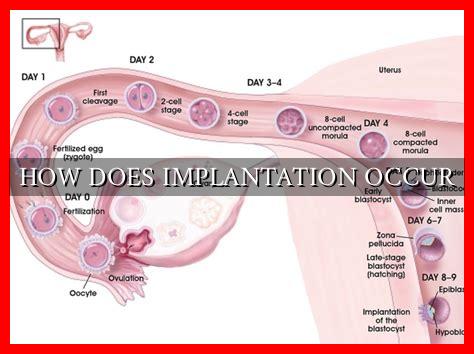
Implantation is a crucial step in the process of human reproduction, where a fertilized egg attaches itself to the lining of the uterus. This process is essential for the embryo to receive nutrients and oxygen from the mother’s body and continue to develop into a fetus. In this article, we will explore the intricate process of implantation and how it occurs in the human body.
Understanding the Menstrual Cycle
Implantation typically occurs around 6-10 days after ovulation, which is the release of an egg from the ovary. To understand how implantation occurs, it is important to first understand the menstrual cycle. The menstrual cycle is divided into several phases, including the follicular phase, ovulation, and the luteal phase.
- Follicular Phase: This phase begins on the first day of menstruation and lasts until ovulation.

. During this phase, the follicles in the ovaries mature and prepare to release an egg.
- Ovulation: Ovulation occurs around the middle of the menstrual cycle when a mature egg is released from the ovary and travels down the fallopian tube.
- Luteal Phase: After ovulation, the empty follicle transforms into a structure called the corpus luteum, which produces progesterone to prepare the uterus for implantation.
The Process of Implantation
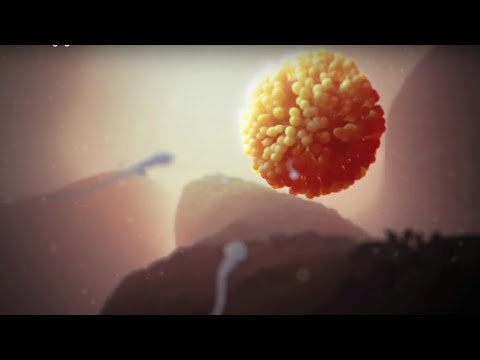
After fertilization, the fertilized egg, now called a blastocyst, travels down the fallopian tube and reaches the uterus. The blastocyst then begins to implant itself into the thickened lining of the uterus, known as the endometrium. This process involves several key steps:
- The blastocyst attaches to the endometrium using specialized cells called trophoblasts.
- The trophoblasts secrete enzymes that help the blastocyst burrow into the endometrium.
- Once implanted, the blastocyst continues to grow and develop into an embryo.
Factors Affecting Implantation
Several factors can affect the process of implantation, including the health of the endometrium, hormonal imbalances, and genetic abnormalities. Women with conditions such as endometriosis or polycystic ovary syndrome (PCOS) may have a higher risk of implantation failure.
Additionally, lifestyle factors such as smoking, excessive alcohol consumption, and obesity can also impact implantation. Maintaining a healthy lifestyle, including a balanced diet and regular exercise, can help improve the chances of successful implantation.
Case Study: In Vitro Fertilization (IVF)
In cases where natural conception is not possible, assisted reproductive technologies such as in vitro fertilization (IVF) can help couples achieve pregnancy. During IVF, fertilization occurs outside the body in a laboratory setting, and the resulting embryos are then transferred to the uterus for implantation.
Research has shown that the success of IVF is closely linked to the process of implantation. Factors such as embryo quality, endometrial receptivity, and the timing of embryo transfer can all impact the likelihood of successful implantation and pregnancy.
Conclusion
Implantation is a complex and intricate process that plays a crucial role in human reproduction. Understanding how implantation occurs can help individuals and couples navigate the challenges of infertility and improve their chances of achieving a successful pregnancy.
By maintaining a healthy lifestyle, seeking medical advice when needed, and exploring assisted reproductive technologies, individuals can increase their chances of successful implantation and pregnancy.
For more information on implantation and fertility, visit The American Society for Reproductive Medicine.
