

-
Table of Contents
How Does Hydropower Work
Hydropower, also known as hydroelectric power, is a renewable energy source that harnesses the power of flowing water to generate electricity. It is one of the oldest and most widely used forms of renewable energy, with a long history dating back to ancient civilizations. In this article, we will explore how hydropower works, its benefits, and its impact on the environment.
Hydropower Generation Process
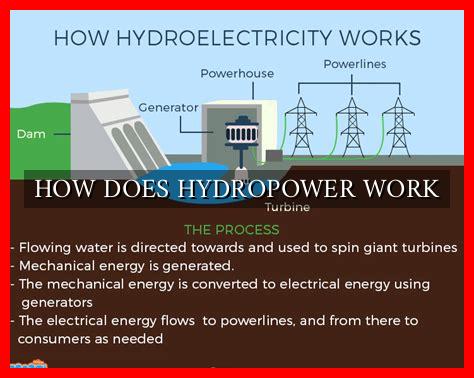
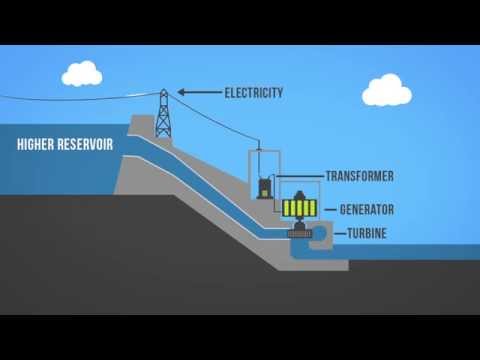
The process of generating hydropower involves converting the kinetic energy of flowing water into mechanical energy, which is then used to drive a generator that produces electricity. Here is a step-by-step breakdown of how hydropower works:
- Water Source: Hydropower plants are typically built near rivers, streams, or other bodies of water with a significant flow of water.
- Intake: Water is diverted from the source and directed towards the hydropower plant through an intake structure.
- Turbine: The flowing water spins a turbine, which is connected to a generator.
- Generator: The turbine’s rotation generates electricity in the generator through electromagnetic induction.
- Transmission: The electricity produced is then transmitted through power lines to homes, businesses, and industries.
Types of Hydropower Plants
There are several types of hydropower plants, each with its unique characteristics and advantages. The main types include:
- Run-of-River: These plants generate electricity using the natural flow of the river without the need for a dam.
- Reservoir: These plants store water in a reservoir behind a dam and release it as needed to generate electricity.
- Pumped Storage: These plants store excess electricity by pumping water uphill to a reservoir and releasing it to generate electricity during peak demand.
Benefits of Hydropower
Hydropower offers numerous benefits as a renewable energy source, including:
- Low Operating Costs: Once a hydropower plant is built, the operating costs are relatively low compared to fossil fuel-based power plants.
- Reliable and Flexible: Hydropower plants can quickly respond to changes in electricity demand, making them a reliable source of energy.
- Environmentally Friendly: Hydropower produces no greenhouse gas emissions, making it a clean and sustainable energy source.
Environmental Impact
While hydropower is considered a clean energy source, it can have environmental impacts, especially on aquatic ecosystems and local communities.
. The construction of dams can disrupt natural habitats, alter water flow patterns, and displace communities living near the river.
It is essential for hydropower projects to be carefully planned and managed to minimize their environmental impact and ensure the sustainability of the surrounding ecosystem.
Conclusion
Hydropower is a valuable renewable energy source that plays a crucial role in the transition to a more sustainable energy future. By harnessing the power of flowing water, we can generate clean electricity while reducing our reliance on fossil fuels and mitigating climate change.
As technology continues to advance, hydropower plants are becoming more efficient and environmentally friendly, making them an essential component of our energy mix. By understanding how hydropower works and its benefits, we can work towards a greener and more sustainable world.
