

-
Table of Contents
How Does Fluoxetine Compare to Sertraline?
Fluoxetine and sertraline are two of the most commonly prescribed selective serotonin reuptake inhibitors (SSRIs) used to treat depression and anxiety disorders. While both medications are effective, they have distinct characteristics that may make one more suitable than the other for certain individuals. This article explores the similarities and differences between fluoxetine and sertraline, including their mechanisms of action, side effects, and clinical applications.
Understanding SSRIs: A Brief Overview
Selective serotonin reuptake inhibitors (SSRIs) are a class of antidepressants that work by increasing the levels of serotonin in the brain. Serotonin is a neurotransmitter that plays a crucial role in mood regulation. By inhibiting the reuptake of serotonin, SSRIs help alleviate symptoms of depression and anxiety.
Fluoxetine: An In-Depth Look
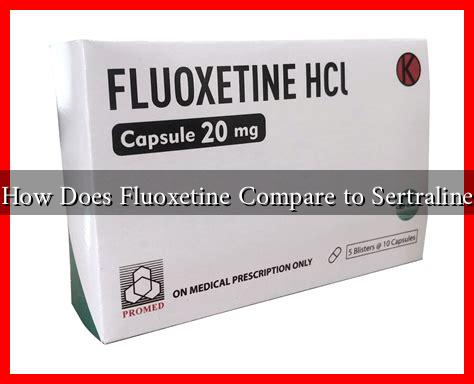
Fluoxetine, commonly known by its brand name Prozac, was the first SSRI approved by the FDA in 1987. It is primarily used to treat:
- Major depressive disorder
- Obsessive-compulsive disorder (OCD)
- Binge-eating disorder
- Panic disorder
- Bulimia nervosa
Fluoxetine has a long half-life, which means it stays in the body longer than many other SSRIs. This can lead to a more gradual onset of withdrawal symptoms if the medication is discontinued. However, it may also take longer to reach its full therapeutic effect, often requiring several weeks of consistent use.
Sertraline: A Closer Examination
Sertraline, marketed under the brand name Zoloft, was approved by the FDA in 1991. It is used to treat a variety of conditions, including:
- Major depressive disorder
- Obsessive-compulsive disorder (OCD)
- Panic disorder
- Social anxiety disorder
- Post-traumatic stress disorder (PTSD)
Sertraline has a shorter half-life compared to fluoxetine, which can lead to a quicker onset of action but may also result in more pronounced withdrawal symptoms if the medication is stopped abruptly.
Comparative Efficacy
Both fluoxetine and sertraline have been shown to be effective in treating depression and anxiety disorders. However, some studies suggest that sertraline may be slightly more effective for certain conditions, such as social anxiety disorder and PTSD. A meta-analysis published in the Journal of Clinical Psychiatry found that sertraline had a higher response rate compared to fluoxetine in patients with major depressive disorder.
Side Effects: What to Expect
While both medications share common side effects, there are some differences worth noting:
- Fluoxetine: Common side effects include insomnia, headache, nausea, and sexual dysfunction. Due to its stimulating properties, some patients may experience increased anxiety or agitation.
- Sertraline: Side effects may include diarrhea, dry mouth, fatigue, and sexual dysfunction. It is generally considered to have a more balanced effect on mood and anxiety levels.
Individual responses to these medications can vary significantly, making it essential for patients to work closely with their healthcare providers to find the most suitable option.
Conclusion: Choosing the Right Medication
In summary, both fluoxetine and sertraline are effective SSRIs that can help manage depression and anxiety disorders. The choice between the two often depends on individual patient factors, including:
- Specific symptoms and diagnosis
- Previous medication responses
- Side effect profiles
- Personal preferences regarding medication management
Ultimately, the decision should be made in consultation with a healthcare provider who can assess the unique needs of the patient. Understanding the differences between fluoxetine and sertraline can empower individuals to make informed choices about their mental health treatment.
