

-
Table of Contents
How Does Domestic Violence Affect Physical Health?
Domestic violence is a pervasive issue that affects millions of individuals worldwide, transcending age, gender, and socioeconomic status. While the psychological and emotional impacts of domestic violence are often highlighted, the physical health consequences are equally significant and deserve attention. This article explores how domestic violence affects physical health, supported by statistics, case studies, and expert insights.
The Direct Physical Consequences of Domestic Violence
Domestic violence can lead to a range of immediate physical injuries, which can vary in severity. Victims may experience:
- Bruises and contusions
- Fractures and broken bones
- Head injuries, including concussions
- Internal injuries
- Sexually transmitted infections (STIs)
According to the World Health Organization (WHO), approximately 38% of murders of women are committed by intimate partners, highlighting the lethal potential of domestic violence. Furthermore, a study published in the journal BMC Public Health found that women who experience domestic violence are more likely to suffer from chronic health conditions, including cardiovascular diseases and gastrointestinal disorders.
Long-Term Health Implications
The repercussions of domestic violence extend beyond immediate injuries. Victims often face long-term health issues, including:
- Chronic pain syndromes
- Cardiovascular diseases
- Gastrointestinal problems
- Respiratory issues
- Neurological disorders
Research indicates that women who have experienced domestic violence are at a higher risk for developing chronic health conditions. A study published in the American Journal of Preventive Medicine found that women with a history of intimate partner violence reported significantly higher rates of chronic pain, migraines, and other debilitating conditions compared to those who had not experienced such violence.
The Impact on Reproductive Health
Domestic violence can also have severe implications for reproductive health. Victims may face:
- Unintended pregnancies
- Increased risk of miscarriage
- Complications during pregnancy
- Sexual dysfunction
According to the Centers for Disease Control and Prevention (CDC), women who experience intimate partner violence are more likely to have reproductive health issues, including STIs and pelvic inflammatory disease. The psychological trauma associated with domestic violence can also lead to issues such as depression and anxiety, which can further complicate reproductive health.
Case Studies and Statistics
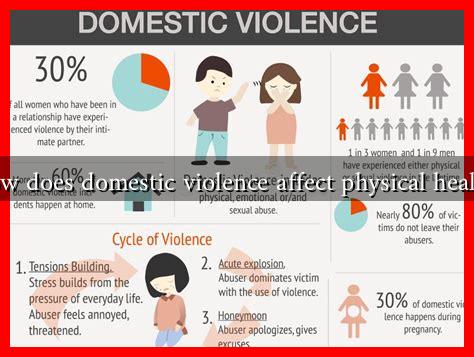
Numerous case studies illustrate the physical health impacts of domestic violence. For instance, a study conducted in the United States found that women who had experienced domestic violence were 80% more likely to report chronic health problems than those who had not. Additionally, a survey by the National Coalition Against Domestic Violence (NCADV) revealed that:
- One in four women and one in nine men experience severe intimate partner physical violence.
- Domestic violence is a leading cause of injury to women, more common than car accidents, muggings, and rapes combined.
These statistics underscore the urgent need for awareness and intervention in cases of domestic violence.
Conclusion
Domestic violence is not just a social issue; it is a significant public health concern that affects the physical health of millions. The immediate and long-term physical consequences can lead to chronic health conditions, reproductive health issues, and even death. Understanding the profound impact of domestic violence on physical health is crucial for developing effective prevention and intervention strategies. By raising awareness and providing support to victims, society can work towards reducing the prevalence of domestic violence and its devastating health effects.
For more information on domestic violence and its health implications, visit the National Coalition Against Domestic Violence.
