

-
Table of Contents
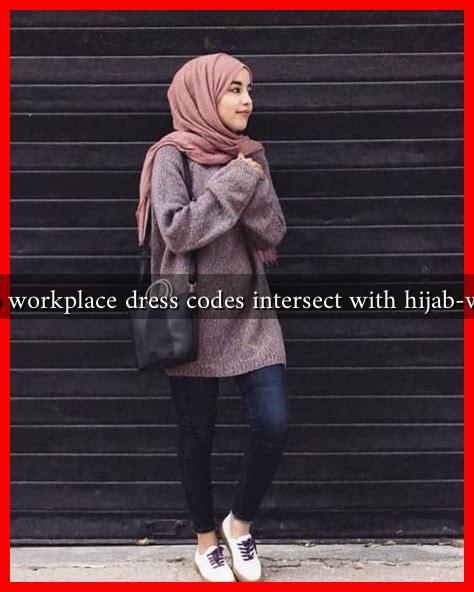
How Do Workplace Dress Codes Intersect with Hijab-Wearing?
In today’s globalized world, workplace diversity is increasingly recognized as a strength. However, the intersection of workplace dress codes and cultural or religious attire, such as the hijab, presents unique challenges and opportunities. This article explores how dress codes impact hijab-wearing individuals, the implications for inclusivity, and the legal frameworks that govern these interactions.
The Significance of the Hijab
The hijab is more than just a piece of clothing; it is a symbol of faith and identity for many Muslim women. Wearing the hijab can be a deeply personal choice, reflecting one’s beliefs and values. However, in professional settings, the hijab can sometimes clash with established dress codes, leading to misunderstandings and conflicts.
Understanding Workplace Dress Codes
Workplace dress codes vary widely across industries and organizations. They can range from formal business attire to casual wear, and they often aim to promote professionalism and a cohesive company image. However, these codes can inadvertently marginalize individuals whose cultural or religious attire does not conform to the established norms.
- Formal Dress Codes: Often require suits, ties, and dresses, which may not accommodate hijab-wearing individuals.
- Business Casual: While more flexible, it can still impose restrictions that may conflict with personal expression.
- Casual Dress Codes: Generally more inclusive but may still present challenges in terms of appropriateness and professionalism.
Case Studies: Navigating Dress Codes and Hijab
Several high-profile cases have highlighted the tension between workplace dress codes and hijab-wearing employees. For instance, in 2017, a Muslim woman in the UK was sent home from work for wearing a hijab that her employer deemed “inappropriate.” This incident sparked widespread debate about the need for inclusive dress codes that respect cultural and religious practices.
Another notable case occurred in the United States, where a Muslim woman was denied a job because she refused to remove her hijab. The Equal Employment Opportunity Commission (EEOC) intervened, emphasizing that employers must accommodate religious practices unless it poses an undue hardship on the business.
Legal Frameworks and Protections
In many countries, laws protect individuals from discrimination based on religion, which includes the right to wear religious attire such as the hijab. In the United States, Title VII of the Civil Rights Act prohibits employment discrimination based on religion, requiring employers to provide reasonable accommodations for religious practices.
- United States: Title VII protects against discrimination and mandates reasonable accommodations.
- European Union: The EU’s Employment Equality Directive prohibits discrimination based on religion or belief.
- Canada: The Canadian Human Rights Act protects individuals from discrimination based on religion.
Promoting Inclusivity in the Workplace
To foster an inclusive workplace, organizations can take several proactive steps:
- Review Dress Codes: Regularly assess and update dress codes to ensure they are inclusive of diverse cultural and religious practices.
- Training and Awareness: Implement training programs to educate employees about cultural sensitivity and the significance of the hijab.
- Encourage Dialogue: Create open channels for employees to discuss their needs and concerns regarding dress codes.
Conclusion
The intersection of workplace dress codes and hijab-wearing is a complex issue that requires careful consideration and understanding. As workplaces become more diverse, it is essential to create environments that respect and accommodate individual identities. By reviewing dress codes, promoting awareness, and fostering open dialogue, organizations can ensure that all employees feel valued and included. Ultimately, embracing diversity not only enhances workplace culture but also drives innovation and success.
For further reading on workplace inclusivity and dress codes, you can visit the EEOC’s guidelines on religious discrimination.
