


-
Table of Contents
How Do Navy SEALs Control Stress During Training?
The Navy SEALs, known for their elite status and rigorous training, face some of the most intense stressors imaginable. From physical challenges to psychological pressures, the training environment is designed to push candidates to their limits.
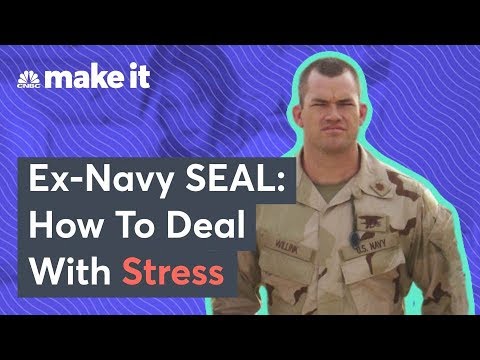
. However, the ability to manage stress effectively is a crucial skill that separates successful candidates from those who wash out. This article explores the techniques and strategies that Navy SEALs employ to control stress during their demanding training programs.
The Nature of Stress in SEAL Training
SEAL training, particularly the infamous Basic Underwater Demolition/SEAL (BUD/S) program, is notorious for its high attrition rate, often exceeding 70%. The stressors encountered during this training can be categorized into several types:
- Physical Stress: Candidates endure extreme physical challenges, including long runs, cold water exposure, and sleep deprivation.
- Mental Stress: The psychological demands of performing under pressure, making quick decisions, and facing fears are constant.
- Emotional Stress: The camaraderie and competition among candidates can lead to emotional highs and lows.
Techniques for Stress Management
Navy SEALs utilize a variety of techniques to manage stress effectively. These methods are not only applicable in training but also in real-world operations. Here are some of the most effective strategies:
1. Controlled Breathing
One of the primary techniques used by SEALs is controlled breathing. This method helps to regulate the body’s stress response. By focusing on deep, rhythmic breaths, candidates can lower their heart rate and reduce anxiety. A common practice is the 4-7-8 technique:
- Inhale through the nose for 4 seconds.
- Hold the breath for 7 seconds.
- Exhale slowly through the mouth for 8 seconds.
This technique not only calms the mind but also enhances focus, allowing candidates to perform better under pressure.
2. Visualization and Mental Rehearsal
Visualization is another powerful tool used by SEALs. By mentally rehearsing scenarios, candidates can prepare themselves for the challenges they will face. This technique involves:
- Imagining successful outcomes in high-stress situations.
- Visualizing the steps needed to achieve those outcomes.
- Creating a mental “safe space” to retreat to during overwhelming moments.
Research has shown that visualization can enhance performance and reduce anxiety, making it a valuable skill for SEALs.
3. Team Support and Camaraderie
The importance of teamwork cannot be overstated in SEAL training. Candidates are taught to rely on one another, fostering a sense of camaraderie that helps alleviate stress. This support system includes:
- Encouraging one another during challenging tasks.
- Sharing experiences and coping strategies.
- Building trust, which enhances group cohesion.
Studies indicate that social support is a significant buffer against stress, making it a critical component of SEAL training.
Case Studies and Real-World Applications
Several case studies highlight the effectiveness of these stress management techniques. For instance, a study conducted by the U.S. Navy found that SEAL candidates who practiced controlled breathing and visualization techniques reported lower levels of anxiety and higher performance scores during training exercises. Additionally, a survey of former SEALs revealed that those who maintained strong team bonds were more likely to succeed in high-stress missions.
Conclusion
In conclusion, the ability to control stress is a vital skill for Navy SEALs, honed through rigorous training and practical application. Techniques such as controlled breathing, visualization, and fostering team support play a crucial role in managing the intense pressures of training and real-world operations. As these elite warriors demonstrate, effective stress management not only enhances performance but also contributes to overall mental resilience. By adopting similar strategies, individuals in high-pressure environments can improve their ability to cope with stress and achieve their goals.
For more insights into stress management techniques used by elite military forces, consider exploring resources from the U.S. Navy SEALs official website.


