

-
Table of Contents
GABAPENTIN: HOW DOES IT WORK?
Gabapentin is a medication that is commonly prescribed to treat nerve pain and seizures. It is also used off-label for various other conditions, such as anxiety and insomnia. But how does gabapentin work in the body to provide relief from these symptoms? Let’s delve into the mechanisms of action of this drug.
Understanding Gabapentin
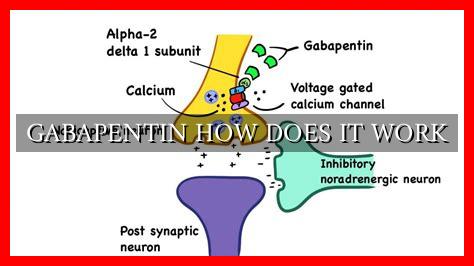
Gabapentin is a structural analog of the neurotransmitter gamma-aminobutyric acid (GABA), but it does not directly affect GABA receptors in the brain. Instead, gabapentin binds to the alpha-2-delta subunit of voltage-gated calcium channels in the central nervous system. By binding to these channels, gabapentin modulates the release of excitatory neurotransmitters, such as glutamate, thereby reducing neuronal hyperexcitability.
Modulation of Calcium Channels
Calcium channels play a crucial role in regulating the flow of calcium ions into neurons, which is essential for neurotransmitter release and neuronal excitability.
. By binding to the alpha-2-delta subunit of these channels, gabapentin inhibits calcium influx, leading to a decrease in the release of excitatory neurotransmitters. This modulation of calcium channels is believed to be the primary mechanism by which gabapentin exerts its therapeutic effects.
Effects on Nerve Pain
Gabapentin is particularly effective in treating nerve pain, such as neuropathic pain and postherpetic neuralgia. By reducing the release of excitatory neurotransmitters in the central nervous system, gabapentin can dampen the abnormal firing of neurons that underlies neuropathic pain. This can provide relief from symptoms such as burning, shooting, or stabbing pain.
- Gabapentin is commonly used to treat diabetic neuropathy, a type of nerve damage that can cause pain and numbness in the extremities.
- Studies have shown that gabapentin can also be effective in treating chronic pain conditions, such as fibromyalgia and sciatica.
Management of Seizures
Gabapentin is also approved for the treatment of seizures, particularly partial seizures and generalized tonic-clonic seizures. By modulating calcium channels and reducing neuronal hyperexcitability, gabapentin can help stabilize electrical activity in the brain and prevent the spread of abnormal impulses that can lead to seizures.
- For patients with epilepsy, gabapentin can be used as an adjunctive therapy to other antiepileptic drugs to improve seizure control.
- Gabapentin is well-tolerated and has a favorable side effect profile compared to some other antiepileptic medications.
Off-Label Uses
While gabapentin is primarily prescribed for nerve pain and seizures, it is also used off-label for various other conditions. For example, gabapentin is sometimes prescribed for anxiety disorders, such as generalized anxiety disorder and social anxiety disorder. The calming effect of gabapentin on neuronal activity may help reduce anxiety symptoms in some patients.
Additionally, gabapentin is sometimes used off-label for insomnia, particularly in patients with chronic pain conditions that disrupt sleep. By modulating neuronal excitability and reducing pain perception, gabapentin may help improve sleep quality and duration in these patients.
Conclusion
In conclusion, gabapentin works by binding to the alpha-2-delta subunit of voltage-gated calcium channels in the central nervous system, thereby modulating the release of excitatory neurotransmitters and reducing neuronal hyperexcitability. This mechanism of action allows gabapentin to provide relief from nerve pain, seizures, and other conditions. While gabapentin is generally well-tolerated, it is important to use this medication under the guidance of a healthcare provider to ensure safe and effective treatment.
For more information on gabapentin and its uses, you can visit the Mayo Clinic website.
