-
Table of Contents
Understanding Florida Weed Laws
When it comes to marijuana laws, each state in the United States has its own set of regulations and restrictions. Florida is no exception, with its own unique laws governing the use and possession of marijuana. In this article, we will delve into the specifics of Florida weed laws, exploring what is legal and what is not within the state.
Medical Marijuana in Florida
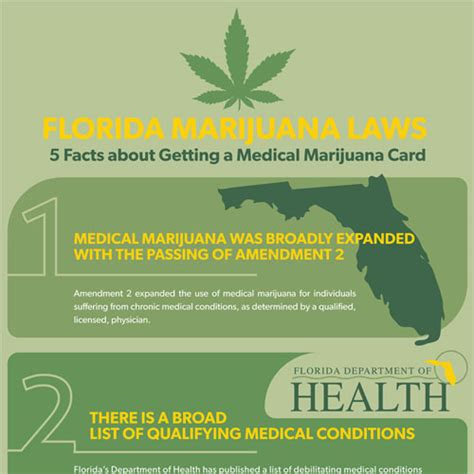
Florida has legalized the use of medical marijuana for qualifying patients. In 2016, Florida voters approved Amendment 2, which allows individuals with certain medical conditions to access medical marijuana with a doctor’s recommendation. Patients must obtain a medical marijuana card from the Florida Department of Health to legally purchase and use medical marijuana.
- Qualifying medical conditions include cancer, epilepsy, glaucoma, HIV/AIDS, Crohn’s disease, Parkinson’s disease, and more.
- Patients are allowed to possess a 70-day supply of medical marijuana at a time.
- Smoking of medical marijuana is also permitted in Florida, following the passage of legislation in 2019.
Recreational Marijuana in Florida
Unlike some other states, Florida has not legalized the recreational use of marijuana. Possession of marijuana for recreational purposes is still illegal in the state. Individuals caught with small amounts of marijuana for personal use can face misdemeanor charges, fines, and potential jail time.
Efforts to legalize recreational marijuana in Florida have been ongoing, with various advocacy groups pushing for a change in legislation. However, as of now, recreational marijuana remains illegal in the state.
Penalties for Marijuana Possession in Florida
Florida has strict penalties for marijuana possession, especially for those caught with large quantities or intent to distribute. Possession of 20 grams or less of marijuana is considered a misdemeanor, punishable by up to a year in jail and a fine of $1,000.
For possession of more than 20 grams, individuals can face felony charges, with penalties including prison time and higher fines. Intent to distribute marijuana can result in even harsher penalties, including mandatory minimum sentences.
Conclusion
Florida weed laws are complex and ever-evolving, with different regulations for medical and recreational marijuana use. While medical marijuana is legal for qualifying patients, recreational use remains prohibited in the state. It is important for individuals in Florida to understand the laws surrounding marijuana possession and use to avoid legal consequences.
As attitudes towards marijuana continue to shift, it will be interesting to see how Florida’s weed laws may change in the future. For now, it is crucial for residents to stay informed and compliant with existing regulations.