

-
Table of Contents
Understanding Popular Sovereignty
Popular sovereignty is a fundamental principle in democratic governance that asserts the ultimate authority of the people in a society. It is the idea that the legitimacy of government is derived from the consent and will of the people it governs. This concept has been a cornerstone of modern political theory and has played a significant role in shaping the structure of democratic societies around the world.
Definition of Popular Sovereignty
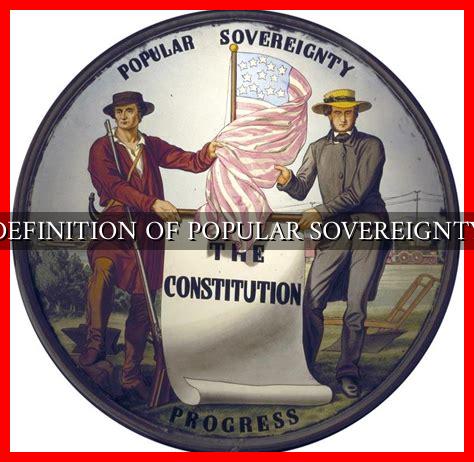
Popular sovereignty can be defined as the belief that the power of government resides in the hands of the people. It is the idea that the people have the right to govern themselves and make decisions about their own lives. This principle is enshrined in many democratic constitutions and is a key component of the social contract between the government and the governed.
Historical Context
The concept of popular sovereignty has a rich historical background.
. It can be traced back to ancient Greece, where the idea of direct democracy was first practiced in city-states like Athens. In modern times, popular sovereignty gained prominence during the Enlightenment period in Europe, with philosophers like John Locke and Jean-Jacques Rousseau advocating for the rights of individuals to govern themselves.
Examples of Popular Sovereignty
- The American Revolution: The Declaration of Independence, signed in 1776, famously proclaims that governments derive their just powers from the consent of the governed. This principle laid the foundation for the establishment of a democratic republic in the United States.
- The French Revolution: The French Revolution of 1789 was fueled by the idea of popular sovereignty, with the French people demanding greater political rights and representation in government. The revolution led to the establishment of a constitutional monarchy and later a republic.
Challenges to Popular Sovereignty
While popular sovereignty is a core principle of democracy, it faces challenges in practice. In some countries, authoritarian regimes suppress the will of the people and deny them the right to self-governance. Additionally, issues like voter suppression, gerrymandering, and political corruption can undermine the democratic process and erode popular sovereignty.
Case Study: Brexit
The Brexit referendum in the United Kingdom in 2016 is a recent example of popular sovereignty in action. The British people voted to leave the European Union, asserting their right to self-determination and control over their country’s future. The outcome of the referendum highlighted the complexities and implications of popular sovereignty in a modern democratic society.
Conclusion
Popular sovereignty is a foundational principle of democracy that empowers the people to govern themselves and shape the policies that affect their lives. While challenges exist, the concept of popular sovereignty remains essential in ensuring that governments are accountable to the will of the people. By upholding this principle, societies can strive towards a more just and equitable form of governance.

