

-
Table of Contents
Congestive Heart Failure: What Are the Signs
Congestive heart failure (CHF) is a serious condition that affects millions of people worldwide. It occurs when the heart is unable to pump enough blood to meet the body’s needs, leading to a buildup of fluid in the lungs and other parts of the body. Recognizing the signs of congestive heart failure is crucial for early diagnosis and treatment. In this article, we will explore the common signs and symptoms of CHF and discuss the importance of seeking medical attention promptly.
Common Signs and Symptoms of Congestive Heart Failure
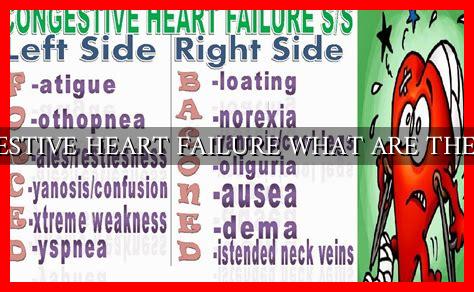
CHF can manifest in a variety of ways, and the symptoms may vary from person to person. However, there are some common signs to watch out for:
- Shortness of breath, especially during physical activity or when lying down
- Swelling in the legs, ankles, or abdomen
- Fatigue and weakness
- Rapid or irregular heartbeat
- Coughing or wheezing, especially at night
If you experience any of these symptoms, it is important to consult a healthcare provider for a proper evaluation.

. Early detection and treatment can help manage the condition and improve quality of life.
Importance of Early Diagnosis and Treatment
Early diagnosis of congestive heart failure is crucial for preventing complications and improving outcomes. According to the American Heart Association, about half of people diagnosed with CHF die within five years of diagnosis. However, with proper management and lifestyle changes, many people can live longer, healthier lives.
One of the key components of managing CHF is medication. Medications such as ACE inhibitors, beta-blockers, and diuretics can help reduce symptoms and improve heart function. In some cases, surgery or other procedures may be necessary to treat underlying heart conditions.
It is also important to make lifestyle changes to manage CHF effectively. This may include following a heart-healthy diet, exercising regularly, quitting smoking, and managing stress. By taking these steps, you can improve your overall health and well-being.
Conclusion
Congestive heart failure is a serious condition that requires prompt attention and proper management. By recognizing the signs and symptoms of CHF and seeking medical help early, you can improve your chances of living a longer, healthier life. Remember to consult a healthcare provider if you experience any symptoms of CHF, and follow their recommendations for treatment and lifestyle changes.
For more information on congestive heart failure, visit the American Heart Association website.
