-
Table of Contents

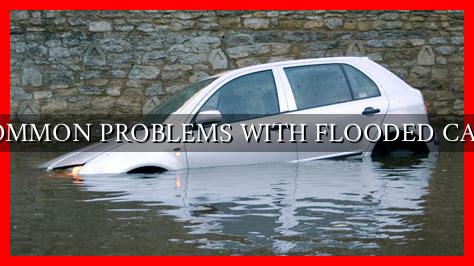
Common Problems with Flooded Cars
Flooding can wreak havoc on vehicles, causing extensive damage that may not be immediately apparent. In the aftermath of a flood, many cars are salvaged and resold without proper disclosure of their history. This can lead to unsuspecting buyers facing a host of issues down the line. In this article, we will explore some of the common problems associated with flooded cars and why it is crucial to be vigilant when purchasing a used vehicle.
1. Electrical Issues
One of the most prevalent problems with flooded cars is electrical damage. Water can seep into the vehicle’s wiring and electronic components, causing malfunctions and short circuits. This can manifest in various ways, such as:
- Non-functioning lights
- Erratic dashboard displays
- Power window and door lock failures
These issues can be costly to repair and may compromise the safety and functionality of the vehicle.
2. Mold and Mildew
Another common consequence of flooding is the growth of mold and mildew inside the car. This can lead to unpleasant odors, respiratory problems, and even structural damage. Mold remediation can be a lengthy and expensive process, requiring thorough cleaning and disinfection of the interior.
3. Mechanical Damage
Flooding can also cause mechanical problems in a car, particularly in the engine and transmission. Water contamination can lead to corrosion, rust, and lubrication issues, resulting in engine failure or transmission problems. These repairs can be extremely costly and may not always fully resolve the damage.
4. Safety Concerns
Driving a flooded car can pose serious safety risks. Water damage can compromise the structural integrity of the vehicle, making it more susceptible to accidents and mechanical failures. In the event of a collision, a flooded car may not provide adequate protection to its occupants due to weakened components.
5. Resale Value
Buying a flooded car can significantly impact its resale value. Even if the vehicle has been repaired and restored to a functional state, its history of flooding will deter many potential buyers. This can make it challenging to sell the car in the future and may result in a substantial loss of investment.
Conclusion
It is essential to exercise caution when purchasing a used car, especially in regions prone to flooding. Conducting a thorough inspection and obtaining a vehicle history report can help identify potential issues with a vehicle’s past. Additionally, consulting a trusted mechanic before making a purchase can provide valuable insights into the condition of the car.
By being aware of the common problems associated with flooded cars and taking proactive measures to avoid purchasing one, consumers can protect themselves from costly repairs and safety hazards. Remember, prevention is always better than cure when it comes to buying a car.