

-
Table of Contents
Can Ranitidine Treat Nausea and Vomiting?
Ranitidine, a medication that belongs to the class of drugs known as H2 blockers, has been widely used to treat conditions related to excess stomach acid, such as gastroesophageal reflux disease (GERD) and peptic ulcers. However, its role in treating nausea and vomiting is less clear. This article explores the potential of ranitidine in managing these symptoms, examining its mechanism of action, clinical evidence, and alternative treatments.
Understanding Ranitidine
Ranitidine works by inhibiting the action of histamine on H2 receptors in the stomach lining, which reduces the production of stomach acid. This mechanism is beneficial for conditions where acid overproduction is a problem. However, nausea and vomiting can arise from various causes, including gastrointestinal disorders, infections, and even psychological factors.
Ranitidine and Nausea: The Evidence
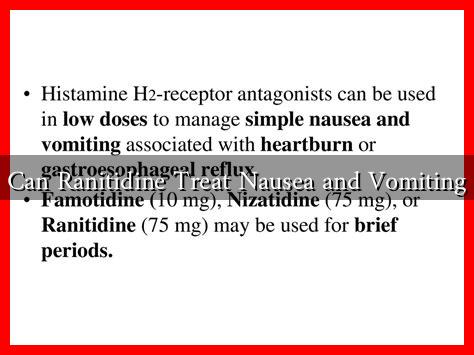
While ranitidine is not primarily indicated for nausea and vomiting, some studies suggest it may have a role in specific cases. Here are some key points to consider:
- Gastric Acid Reduction: By reducing stomach acid, ranitidine may alleviate nausea caused by acid reflux or gastritis.
- Postoperative Nausea: Some research indicates that ranitidine may help reduce postoperative nausea and vomiting (PONV) when used in conjunction with other antiemetics.
- Case Studies: A few case studies have reported improvements in nausea symptoms in patients with conditions like peptic ulcers when treated with ranitidine.
However, it is essential to note that these findings are not universally accepted, and ranitidine is not a first-line treatment for nausea and vomiting. The FDA has also raised concerns about the safety of ranitidine, leading to its withdrawal from the market in many countries due to potential contamination with a carcinogenic substance called NDMA (N-nitrosodimethylamine).
Alternative Treatments for Nausea and Vomiting
Given the limitations and safety concerns surrounding ranitidine, it is crucial to explore alternative treatments for nausea and vomiting. Some effective options include:
- Antiemetics: Medications such as ondansetron and metoclopramide are commonly prescribed to manage nausea and vomiting.
- Ginger: Natural remedies like ginger have been shown to be effective in reducing nausea, particularly in pregnancy and motion sickness.
- Acupressure: Techniques such as wrist acupressure can provide relief for some individuals experiencing nausea.
When to Seek Medical Advice
Nausea and vomiting can be symptoms of various underlying conditions, some of which may require medical intervention. It is essential to seek medical advice if:
- The symptoms persist for more than 24 hours.
- There are signs of dehydration, such as dry mouth or decreased urination.
- Severe abdominal pain accompanies the nausea.
- There is blood in vomit or stool.
Conclusion
While ranitidine has been used in the past for various gastrointestinal issues, its effectiveness in treating nausea and vomiting remains limited and controversial. The withdrawal of ranitidine from the market due to safety concerns further complicates its use. Patients experiencing nausea and vomiting should consider alternative treatments and consult healthcare professionals for appropriate management strategies. Understanding the underlying cause of these symptoms is crucial for effective treatment and recovery.
For more information on nausea and vomiting management, you can visit the National Institutes of Health.
