

-
Table of Contents
Can Prednisone Lead to Adrenal Insufficiency?
Prednisone is a synthetic corticosteroid widely used to treat various inflammatory and autoimmune conditions, such as asthma, arthritis, and lupus. While it is effective in managing these conditions, one of the significant concerns associated with long-term use of prednisone is the risk of adrenal insufficiency. This article explores the relationship between prednisone and adrenal insufficiency, shedding light on the mechanisms involved, symptoms, and management strategies.
Understanding Adrenal Insufficiency
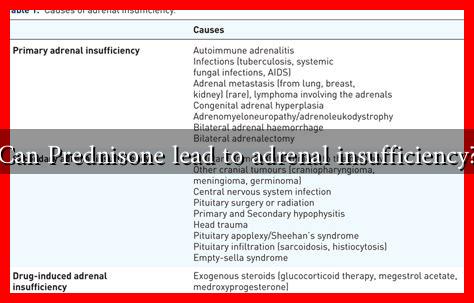
Adrenal insufficiency occurs when the adrenal glands do not produce adequate amounts of steroid hormones, particularly cortisol. Cortisol plays a crucial role in various bodily functions, including metabolism, immune response, and stress management. There are two primary types of adrenal insufficiency:
- Primary adrenal insufficiency (Addison’s disease): This condition arises from damage to the adrenal glands themselves.
- Secondary adrenal insufficiency: This occurs when the pituitary gland fails to produce enough adrenocorticotropic hormone (ACTH), which stimulates cortisol production.
Prednisone can lead to secondary adrenal insufficiency, particularly when used for extended periods or at high doses.
How Prednisone Affects the Adrenal Glands
Prednisone mimics the effects of cortisol in the body. When taken, it signals the body to reduce its own cortisol production. Over time, this suppression can lead to a decrease in the size and function of the adrenal glands, resulting in adrenal insufficiency when prednisone is discontinued. The following factors contribute to this phenomenon:
- Feedback Inhibition: The body’s feedback mechanism reduces ACTH production in response to high levels of prednisone, leading to decreased cortisol production.
- Long-term Use: Prolonged use of prednisone can cause the adrenal glands to atrophy, making it difficult for them to respond adequately when the medication is stopped.
- Dosage and Duration: Higher doses and longer durations of prednisone therapy increase the risk of adrenal suppression.
Symptoms of Adrenal Insufficiency
Recognizing the symptoms of adrenal insufficiency is crucial for timely intervention. Common symptoms include:
- Fatigue and weakness
- Weight loss and decreased appetite
- Low blood pressure
- Skin changes, such as hyperpigmentation
- Gastrointestinal issues, including nausea and vomiting
- Salt cravings
In severe cases, adrenal crisis can occur, characterized by extreme fatigue, confusion, and potentially life-threatening low blood pressure.
Case Studies and Statistics
Research indicates that the risk of developing adrenal insufficiency increases with the duration of corticosteroid therapy. A study published in the Journal of Clinical Endocrinology & Metabolism found that approximately 30% of patients on long-term corticosteroid therapy experienced some degree of adrenal insufficiency upon withdrawal. Another study highlighted that patients who had been on prednisone for more than three weeks were at a significantly higher risk of developing adrenal suppression.
Management and Prevention Strategies
Preventing adrenal insufficiency in patients requiring long-term prednisone therapy involves careful management strategies:
- Gradual Tapering: Instead of abruptly stopping prednisone, healthcare providers often recommend a gradual tapering of the dose to allow the adrenal glands to recover.
- Monitoring: Regular monitoring of adrenal function through blood tests can help identify adrenal insufficiency early.
- Patient Education: Educating patients about the signs and symptoms of adrenal insufficiency can empower them to seek timely medical attention.
Conclusion
While prednisone is an effective treatment for various conditions, its potential to cause adrenal insufficiency cannot be overlooked. Understanding the mechanisms behind this risk, recognizing the symptoms, and implementing appropriate management strategies are essential for patients on long-term corticosteroid therapy. By working closely with healthcare providers, patients can minimize the risks associated with prednisone and maintain their overall health.
In summary, awareness and proactive management are key to preventing adrenal insufficiency in individuals taking prednisone. If you or someone you know is on long-term corticosteroid therapy, it is crucial to discuss any concerns with a healthcare professional.
