

-
Table of Contents
Can I Use Naproxen for Headaches?
Headaches are a common ailment that can disrupt daily life, affecting productivity and overall well-being. While there are numerous over-the-counter (OTC) medications available, many people wonder about the efficacy of specific drugs like Naproxen for treating headaches. This article explores the use of Naproxen, its effectiveness, potential side effects, and considerations for use.
What is Naproxen?
Naproxen is a nonsteroidal anti-inflammatory drug (NSAID) commonly used to relieve pain, reduce inflammation, and lower fever. It is available in both prescription and OTC forms, with brands like Aleve being widely recognized. Naproxen works by inhibiting the production of certain chemicals in the body that cause inflammation and pain.
Types of Headaches
Before discussing the use of Naproxen for headaches, it’s essential to understand the different types of headaches:
- Tension Headaches: Often caused by stress, muscle tension, or anxiety, these headaches are characterized by a dull, aching sensation.
- Migraine Headaches: These are severe headaches often accompanied by nausea, vomiting, and sensitivity to light and sound.
- Cluster Headaches: These are intense headaches that occur in cyclical patterns or clusters, often affecting one side of the head.
- Sinus Headaches: Resulting from sinus infections or inflammation, these headaches are often accompanied by facial pain and pressure.
Effectiveness of Naproxen for Headaches
Naproxen can be effective for certain types of headaches, particularly tension headaches and mild to moderate migraines. Research indicates that NSAIDs like Naproxen can significantly reduce headache pain. A study published in the journal Headache found that Naproxen was effective in treating acute migraine attacks, providing relief comparable to other common treatments.
For tension headaches, Naproxen can help alleviate pain due to its anti-inflammatory properties. It is often recommended for individuals who experience frequent tension headaches, as it can help manage pain without the need for stronger prescription medications.
Dosage and Administration
The typical dosage for Naproxen in adults is 250 mg to 500 mg taken twice daily, depending on the severity of the headache and individual tolerance. It is crucial to follow the recommended dosage on the packaging or as prescribed by a healthcare professional. Overuse of Naproxen can lead to serious side effects, including gastrointestinal issues and increased risk of cardiovascular problems.
Potential Side Effects
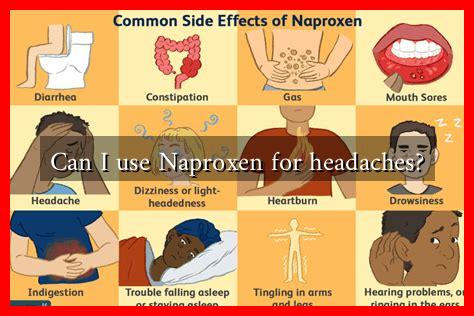
While Naproxen can be effective for headache relief, it is not without risks. Common side effects include:
- Stomach pain or discomfort
- Nausea or vomiting
- Heartburn
- Dizziness or headache
- Increased blood pressure
More severe side effects can include gastrointestinal bleeding, kidney problems, and allergic reactions. It is essential to consult a healthcare provider if you have a history of heart disease, high blood pressure, or gastrointestinal issues before using Naproxen.
When to Seek Medical Advice
If headaches persist despite treatment with Naproxen or if they are accompanied by other concerning symptoms such as visual disturbances, confusion, or severe nausea, it is crucial to seek medical attention. These could be signs of a more serious condition that requires immediate intervention.
Conclusion
Naproxen can be an effective option for managing certain types of headaches, particularly tension headaches and mild to moderate migraines. However, it is essential to use it responsibly and be aware of potential side effects. Always consult with a healthcare professional before starting any new medication, especially if you have pre-existing health conditions or are taking other medications. By understanding the appropriate use of Naproxen, individuals can make informed decisions about their headache management strategies.
For more information on headache management and treatment options, consider visiting the American Headache Society.
