

-
Table of Contents
Are There Any Interactions with Ciprofloxacin?
Ciprofloxacin is a widely used antibiotic belonging to the fluoroquinolone class, effective against a variety of bacterial infections. While it is a powerful medication, understanding its potential interactions with other drugs, food, and health conditions is crucial for ensuring patient safety and treatment efficacy. This article delves into the interactions associated with ciprofloxacin, providing valuable insights for healthcare professionals and patients alike.
Understanding Ciprofloxacin
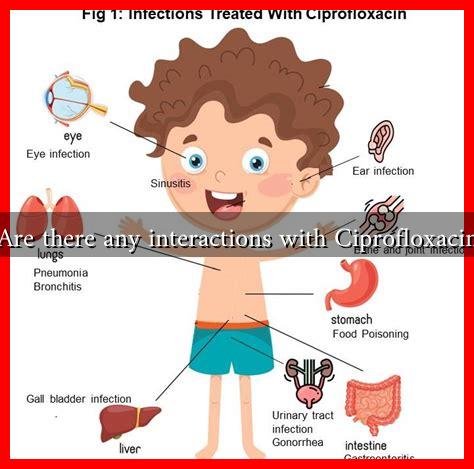
Ciprofloxacin works by inhibiting bacterial DNA gyrase and topoisomerase IV, enzymes critical for bacterial replication. It is commonly prescribed for conditions such as urinary tract infections, respiratory infections, and skin infections. However, its effectiveness can be compromised by various interactions.
Common Drug Interactions
Several medications can interact with ciprofloxacin, leading to reduced efficacy or increased risk of side effects. Here are some notable interactions:
- Antacids and Supplements: Products containing aluminum, magnesium, or calcium can bind to ciprofloxacin, reducing its absorption. Patients are advised to take these products at least 2 hours before or 6 hours after ciprofloxacin.
- Warfarin: Ciprofloxacin can enhance the anticoagulant effect of warfarin, increasing the risk of bleeding. Regular monitoring of INR levels is recommended for patients on both medications.
- Nonsteroidal Anti-Inflammatory Drugs (NSAIDs): Concurrent use of NSAIDs may increase the risk of central nervous system stimulation and seizures.
- Other Antibiotics: Combining ciprofloxacin with other antibiotics, particularly those that also affect bacterial DNA, can lead to increased toxicity.
Food Interactions
Food can also influence the absorption and effectiveness of ciprofloxacin. Here are some key points to consider:
- Dairy Products: High-calcium foods, such as milk and yogurt, can interfere with ciprofloxacin absorption. It is advisable to avoid consuming these products within the specified time frames.
- Caffeine: Ciprofloxacin may increase the effects of caffeine, leading to heightened side effects such as jitteriness or insomnia.
Health Condition Interactions
Patients with certain health conditions may experience heightened risks when taking ciprofloxacin. These include:
- Kidney Disease: Impaired renal function can lead to increased levels of ciprofloxacin in the body, necessitating dosage adjustments.
- Seizure Disorders: Ciprofloxacin may lower the seizure threshold, posing risks for patients with a history of seizures.
- Tendon Disorders: Ciprofloxacin has been associated with an increased risk of tendon rupture, particularly in older adults and those on corticosteroids.
Case Studies and Statistics
Research has highlighted the importance of monitoring drug interactions with ciprofloxacin. A study published in the Journal of Antimicrobial Chemotherapy found that patients taking ciprofloxacin alongside warfarin had a significantly higher incidence of bleeding complications compared to those not on ciprofloxacin. This underscores the need for careful management of patients on multiple medications.
Conclusion
In summary, while ciprofloxacin is an effective antibiotic, its interactions with other drugs, food, and certain health conditions can significantly impact its safety and efficacy. Healthcare providers must be vigilant in assessing potential interactions and educating patients on how to take ciprofloxacin safely. By understanding these interactions, patients can better manage their treatment and minimize risks. Always consult with a healthcare professional before starting or stopping any medication, especially when dealing with complex drug regimens.
