

-
Table of Contents
Are Open Spaces Necessary for Biodiversity in Urban Areas?
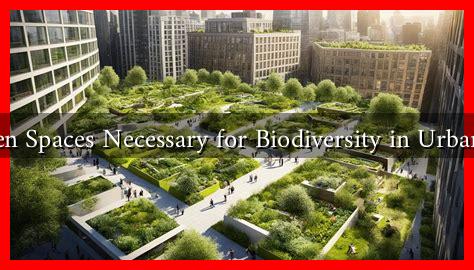
As urbanization continues to expand, the need for open spaces in cities has become increasingly critical. These areas, which include parks, gardens, and green roofs, play a vital role in supporting biodiversity. This article explores the necessity of open spaces for biodiversity in urban environments, highlighting their ecological, social, and economic benefits.
The Importance of Biodiversity in Urban Areas
Biodiversity refers to the variety of life forms within a given ecosystem, including plants, animals, fungi, and microorganisms. In urban areas, biodiversity is essential for several reasons:
- Ecological Balance: Biodiversity helps maintain ecological balance by supporting food webs and nutrient cycles.
- Resilience to Climate Change: Diverse ecosystems are more resilient to climate change impacts, such as extreme weather events.
- Human Health: Biodiversity contributes to human health by providing clean air, water, and natural resources.
Open Spaces as Biodiversity Hotspots
Open spaces serve as critical habitats for various species, particularly in urban settings where natural habitats are often fragmented. These areas can support a surprising array of wildlife, including:
- Birds: Urban parks can attract numerous bird species, providing nesting sites and food sources.
- Pollinators: Gardens and green roofs can support pollinators like bees and butterflies, which are essential for plant reproduction.
- Small Mammals: Open spaces can provide refuge for small mammals, contributing to urban biodiversity.
For instance, the High Line in New York City, a repurposed elevated railway, has become a thriving ecosystem that supports over 400 plant species and numerous animal species, including birds and insects. This innovative use of urban space demonstrates how open areas can enhance biodiversity even in densely populated environments.
Case Studies: Successful Urban Biodiversity Initiatives
Several cities around the world have implemented successful initiatives to promote biodiversity through open spaces:
- Singapore: Known for its “Garden City” vision, Singapore integrates nature into urban planning, featuring parks, vertical gardens, and green roofs that support diverse flora and fauna.
- Berlin: The city has transformed former industrial sites into green spaces, creating habitats for wildlife and enhancing urban biodiversity.
- Toronto: The Toronto Biodiversity Strategy aims to protect and enhance biodiversity through the creation of green corridors and the restoration of natural habitats.
These examples illustrate that with thoughtful planning and investment, urban areas can become havens for biodiversity, benefiting both wildlife and residents.
Challenges to Biodiversity in Urban Areas
Despite the benefits of open spaces, urban biodiversity faces several challenges:
- Habitat Fragmentation: Urban development often leads to fragmented habitats, making it difficult for species to thrive.
- Pollution: Air and water pollution can negatively impact wildlife and plant health.
- Invasive Species: Non-native species can outcompete local flora and fauna, disrupting ecosystems.
Addressing these challenges requires a concerted effort from city planners, policymakers, and communities to prioritize biodiversity in urban development.
Conclusion: The Path Forward
Open spaces are not just aesthetic additions to urban landscapes; they are essential for maintaining biodiversity in cities. By providing habitats for various species, enhancing ecological resilience, and improving human well-being, open spaces play a crucial role in urban ecosystems. As cities continue to grow, it is imperative to integrate biodiversity considerations into urban planning and development. Initiatives that promote green spaces can lead to healthier, more sustainable urban environments that benefit both nature and humanity.
For more information on urban biodiversity and the importance of green spaces, visit Nature.
