

-
Table of Contents
ADHD: WHAT ARE THE SIGNS
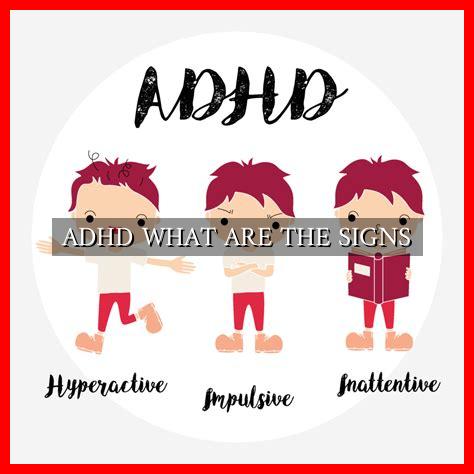
Attention Deficit Hyperactivity Disorder (ADHD) is a neurodevelopmental disorder that affects both children and adults. It is characterized by symptoms of inattention, hyperactivity, and impulsivity. Recognizing the signs of ADHD is crucial for early intervention and effective management of the condition. In this article, we will explore the common signs of ADHD and provide insights into how it can impact individuals.
Signs of Inattention
One of the hallmark symptoms of ADHD is inattention. Individuals with ADHD may have difficulty focusing on tasks, following instructions, and organizing their thoughts.
. Some common signs of inattention include:
- Difficulty paying attention to details
- Making careless mistakes in school or work
- Forgetfulness in daily activities
- Losing things frequently
It is important to note that occasional inattention is normal, but persistent and pervasive inattention may be a sign of ADHD.
Signs of Hyperactivity
Hyperactivity is another key symptom of ADHD, especially in children. Individuals with ADHD may exhibit signs of restlessness, fidgeting, and excessive talking. Some common signs of hyperactivity include:
- Frequent squirming or fidgeting
- Difficulty staying seated
- Talking excessively
- Impulsiveness in decision-making
Hyperactivity can manifest differently in children and adults, but it is a core feature of ADHD.
Signs of Impulsivity
Impulsivity is another characteristic of ADHD that can lead to risky behaviors and poor decision-making. Individuals with ADHD may act without thinking about the consequences or have difficulty controlling their impulses. Some common signs of impulsivity include:
- Interrupting others in conversations
- Acting before thinking
- Difficulty waiting for their turn
- Taking risks without considering the consequences
Impulsivity can have a significant impact on relationships, work, and overall functioning in individuals with ADHD.
Impact of ADHD
ADHD can have a profound impact on various aspects of an individual’s life, including academic performance, social relationships, and emotional well-being. Children with ADHD may struggle in school due to inattention and hyperactivity, while adults may face challenges in the workplace. Additionally, ADHD can affect self-esteem and mental health, leading to feelings of frustration and inadequacy.
It is essential to seek professional help if you suspect that you or your child may have ADHD. A comprehensive evaluation by a healthcare provider can lead to an accurate diagnosis and appropriate treatment options, such as therapy, medication, and behavioral interventions.
Conclusion
In conclusion, recognizing the signs of ADHD is crucial for early intervention and effective management of the condition. By understanding the common symptoms of inattention, hyperactivity, and impulsivity, individuals can seek the necessary support and resources to thrive despite their ADHD diagnosis. Remember, ADHD is a neurodevelopmental disorder that can be effectively managed with the right interventions and support systems in place.
For more information on ADHD signs and symptoms, visit CDC’s ADHD Diagnosis page.
