

-
Table of Contents
What Should Women Know About Breast Health?
Breast health is a crucial aspect of women’s overall well-being. Understanding how to maintain breast health, recognize changes, and seek appropriate care can significantly impact a woman’s quality of life. This article aims to provide essential information about breast health, including risk factors, preventive measures, and the importance of regular screenings.
Understanding Breast Anatomy and Function
Before delving into breast health, it’s essential to understand the basic anatomy of the breast. The breast is composed of glandular tissue, connective tissue, and fat. The primary functions of the breast include:
- Producing milk during lactation
- Providing sexual characteristics and attraction
- Serving as a source of emotional and physical comfort
Breast tissue undergoes various changes throughout a woman’s life, influenced by hormonal fluctuations, age, and other factors. Recognizing these changes is vital for maintaining breast health.
Common Breast Health Issues
Several conditions can affect breast health, ranging from benign issues to serious diseases. Some common breast health concerns include:
- Fibrocystic Breast Changes: A common condition characterized by lumpy or rope-like breast tissue, often accompanied by tenderness.
- Breast Cancer: One of the most prevalent cancers among women, with approximately 1 in 8 women diagnosed in their lifetime.
- Infections: Conditions like mastitis can occur, especially in breastfeeding women, leading to pain and swelling.
- Benign Tumors: Non-cancerous growths such as fibroadenomas can develop, usually requiring monitoring rather than treatment.
Risk Factors for Breast Health Issues
Understanding the risk factors associated with breast health issues can empower women to take proactive steps. Some key risk factors include:
- Age: The risk of breast cancer increases with age, particularly after 50.
- Family History: A family history of breast cancer can elevate risk, especially if close relatives are affected.
- Genetic Mutations: Women with BRCA1 or BRCA2 gene mutations have a significantly higher risk of developing breast cancer.
- Hormonal Factors: Early menstruation, late menopause, and hormone replacement therapy can influence breast cancer risk.
Preventive Measures for Breast Health
While some risk factors are beyond control, many preventive measures can help maintain breast health:
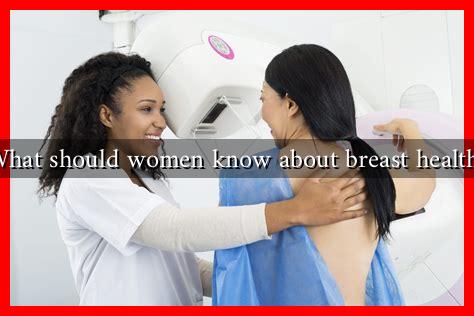
- Regular Screenings: Annual mammograms are recommended for women aged 40 and older, or earlier for those with a family history of breast cancer.
- Self-Exams: Monthly breast self-exams can help women become familiar with their breast tissue and identify any changes early.
- Healthy Lifestyle: Maintaining a balanced diet, exercising regularly, and avoiding excessive alcohol consumption can lower breast cancer risk.
- Smoking Cessation: Quitting smoking can significantly improve overall health and reduce cancer risk.
When to Seek Medical Advice
Women should be vigilant about any changes in their breasts and consult a healthcare provider if they notice:
- New lumps or masses
- Changes in breast size or shape
- Unexplained pain or tenderness
- Nipple discharge that is bloody or clear
Early detection is key in managing breast health issues effectively. Regular check-ups and open communication with healthcare providers can lead to timely interventions.
Conclusion
Breast health is an integral part of women’s health that requires awareness, education, and proactive measures. By understanding the anatomy of the breast, recognizing common issues, identifying risk factors, and adopting preventive strategies, women can take charge of their breast health. Regular screenings and self-exams are essential tools in the fight against breast cancer and other breast-related conditions. For more information on breast health, consider visiting the American Cancer Society.
In summary, knowledge is power when it comes to breast health. By staying informed and proactive, women can significantly enhance their chances of maintaining healthy breasts throughout their lives.
