


Table of Contents
The Lion King: A Timeless Tale of Identity and Redemption
Since its release in 1994, Disney’s “The Lion King” has captivated audiences around the world with its rich storytelling, memorable characters, and stunning animation. This animated feature not only became a box office success but also left a lasting impact on popular culture. In this article, we will explore the themes, characters, and cultural significance of “The Lion King,” as well as its evolution through various adaptations.
The Storyline: A Journey of Self-Discovery
“The Lion King” follows the journey of Simba, a young lion who is destined to become king of the Pride Lands. The narrative is steeped in themes of identity, responsibility, and the circle of life. After the tragic death of his father, Mufasa, at the hands of his uncle Scar, Simba flees his home, believing he is responsible for the tragedy.
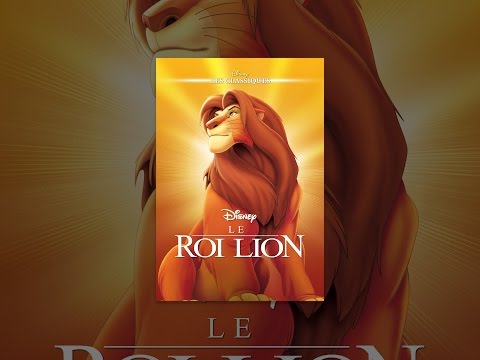
. The story unfolds as Simba grows up in exile, learning valuable life lessons from his friends Timon and Pumbaa.
Key Themes Explored
The film delves into several profound themes that resonate with audiences of all ages:
- Identity: Simba’s journey is a classic coming-of-age story, where he learns to embrace his true self and responsibilities.
- Redemption: The narrative emphasizes the importance of facing one’s past and seeking forgiveness, as seen in Simba’s return to reclaim his rightful place.
- The Circle of Life: The film introduces the concept of the circle of life, highlighting the interconnectedness of all living beings.
Iconic Characters and Their Development
The characters in “The Lion King” are richly developed, each contributing to the film’s overarching themes:
- Simba: The protagonist who evolves from a carefree cub to a responsible king.
- Mufasa: Simba’s wise father, whose teachings guide Simba even after his death.
- Scar: The antagonist whose jealousy and ambition drive the plot’s conflict.
- Nala: Simba’s childhood friend and eventual love interest, who encourages him to return home.
- Timon and Pumbaa: The comedic duo who provide comic relief and important life lessons about friendship and living in the moment.
Cultural Impact and Legacy
“The Lion King” has had a profound cultural impact since its release. It has inspired a Broadway musical, several sequels, and a live-action adaptation in 2019. The original film grossed over $968 million worldwide, making it one of the highest-grossing animated films of all time. Its soundtrack, featuring songs by Elton John and Tim Rice, won numerous awards, including the Academy Award for Best Original Song for “Can You Feel the Love Tonight.”
Moreover, “The Lion King” has been recognized for its representation of African culture and wildlife. The film’s setting in the African savanna and its incorporation of Swahili phrases and African music have contributed to a greater appreciation for the continent’s rich heritage. For more on the cultural significance of “The Lion King,” you can visit NPR’s analysis.
Conclusion: A Story for All Generations
“The Lion King” remains a timeless tale that continues to resonate with audiences across generations. Its exploration of identity, redemption, and the circle of life offers valuable lessons that are relevant in today’s world. The film’s memorable characters, stunning visuals, and powerful music have solidified its place in cinematic history. As new adaptations and interpretations emerge, the core message of “The Lion King” endures, reminding us all of the importance of embracing our true selves and understanding our place in the world.


