

-
Table of Contents
- The 9 Signs of Borderline Personality Disorder (BPD)
- 1. Intense and Unstable Relationships
- 2. Fear of Abandonment
- 3. Impulsive Behavior
- 4. Unstable Self-Image
- 5.

. Extreme Mood Swings
- 6. Chronic Feelings of Emptiness
- 7. Explosive Anger
- 8. Paranoia and Dissociation
- 9. Self-Harming Behaviors
- Conclusion
The 9 Signs of Borderline Personality Disorder (BPD)
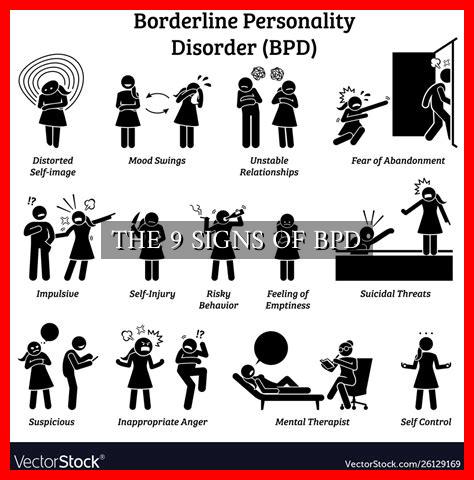
Borderline Personality Disorder (BPD) is a complex mental health condition that affects how a person thinks, feels, and behaves. It is characterized by a pattern of unstable relationships, self-image, and emotions. Recognizing the signs of BPD is crucial for early intervention and effective treatment. Here are the 9 key signs to look out for:
1. Intense and Unstable Relationships
People with BPD often have tumultuous relationships marked by extreme highs and lows. They may idealize someone one moment and then quickly switch to devaluing them. This can lead to frequent arguments, breakups, and reconciliations.
2. Fear of Abandonment
Individuals with BPD often have an intense fear of being abandoned or rejected. They may go to great lengths to avoid real or perceived abandonment, such as clinging to unhealthy relationships or exhibiting controlling behaviors.
3. Impulsive Behavior
Impulsivity is a common trait in people with BPD. This can manifest in reckless behaviors such as substance abuse, binge eating, reckless driving, or overspending. These impulsive actions are often done without considering the consequences.
4. Unstable Self-Image
People with BPD may struggle with a distorted self-image, feeling unsure of who they are or what they want out of life. They may experience rapid shifts in identity, values, and goals, leading to confusion and inner turmoil.
5. Extreme Mood Swings
Individuals with BPD often experience intense and rapid changes in mood. They may go from feeling euphoric to deeply depressed within a short period of time. These mood swings can be triggered by external events or internal thoughts.
6. Chronic Feelings of Emptiness
People with BPD may describe feeling empty or numb inside, even when surrounded by others or engaging in activities they once enjoyed. This chronic sense of emptiness can lead to feelings of hopelessness and despair.
7. Explosive Anger
Individuals with BPD may struggle to regulate their emotions, leading to frequent outbursts of anger or aggression. These episodes can be triggered by perceived slights or rejections and may result in verbal or physical confrontations.
8. Paranoia and Dissociation
People with BPD may experience episodes of paranoia, feeling suspicious or distrustful of others. They may also dissociate, feeling disconnected from their thoughts, feelings, or surroundings. These experiences can be distressing and disorienting.
9. Self-Harming Behaviors
Self-harm, such as cutting, burning, or hitting oneself, is common among individuals with BPD. This behavior is often a coping mechanism for managing overwhelming emotions or feelings of emptiness. It is important to seek help if you or someone you know is engaging in self-harm.
Conclusion
Recognizing the signs of Borderline Personality Disorder is the first step towards getting the help and support needed to manage the condition. If you or someone you know is exhibiting these signs, it is important to seek professional help from a mental health provider. With proper treatment, including therapy and medication, individuals with BPD can learn to manage their symptoms and lead fulfilling lives.
For more information on Borderline Personality Disorder and available resources, visit the National Alliance on Mental Illness (NAMI) website.
