

-
Table of Contents

What Are the 6 Signs of Ischemia
Ischemia is a condition characterized by an inadequate blood supply to a specific part of the body, typically due to a blockage in the arteries. This lack of blood flow can lead to tissue damage and even cell death if left untreated. Recognizing the signs of ischemia is crucial for early intervention and prevention of serious complications. Here are the six key signs to watch out for:
1. Chest Pain or Discomfort
One of the most common signs of ischemia is chest pain or discomfort, also known as angina. This pain may feel like pressure, squeezing, or tightness in the chest and can radiate to the arms, neck, jaw, or back. It is often triggered by physical exertion or emotional stress and typically subsides with rest. However, if the pain is severe, prolonged, or accompanied by other symptoms, such as shortness of breath, it could indicate a more serious condition like a heart attack.
2. Shortness of Breath
Ischemia can also lead to shortness of breath, especially during physical activity or exertion. This symptom occurs when the heart muscle does not receive enough oxygen-rich blood to function properly. As a result, the body may struggle to meet its oxygen demands, leading to difficulty breathing. If shortness of breath is persistent or worsens over time, it may be a sign of underlying ischemic heart disease.
3. Fatigue or Weakness
Another sign of ischemia is unexplained fatigue or weakness, even after adequate rest. This symptom is often overlooked or attributed to other factors, such as stress or lack of sleep. However, persistent fatigue could be a warning sign of reduced blood flow to the muscles and tissues, resulting in decreased energy levels and overall weakness.
4. Numbness or Tingling
Ischemia can also manifest as numbness or tingling in the affected area, typically in the extremities like the arms or legs. This sensation occurs when the nerves do not receive an adequate blood supply, leading to abnormal nerve function. If left untreated, prolonged ischemia can cause permanent nerve damage and loss of sensation in the affected limbs.
5. Changes in Skin Color or Temperature
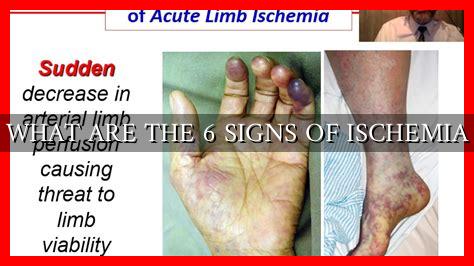
Changes in skin color or temperature, such as pale or bluish skin and cold extremities, can indicate poor blood circulation due to ischemia. These visual cues are a result of reduced oxygen and nutrient delivery to the skin and tissues, leading to discoloration and decreased warmth. If you notice persistent changes in skin color or temperature, seek medical attention promptly to prevent further complications.
6. Dizziness or Lightheadedness
Ischemia affecting the brain can cause symptoms like dizziness or lightheadedness, especially when standing up quickly or changing positions. These sensations occur due to reduced blood flow to the brain, leading to temporary disruptions in balance and coordination. If you experience frequent episodes of dizziness or lightheadedness, it is essential to consult a healthcare provider for a thorough evaluation.
Conclusion
Recognizing the signs of ischemia is crucial for early detection and treatment of this potentially serious condition. By being aware of the six key signs discussed above – chest pain or discomfort, shortness of breath, fatigue or weakness, numbness or tingling, changes in skin color or temperature, and dizziness or lightheadedness – you can take proactive steps to protect your health and well-being. If you experience any of these symptoms, do not hesitate to seek medical attention promptly to receive the necessary care and support.
