

-
Table of Contents

The Signs of Type 1 Diabetes
Diabetes is a chronic condition that affects millions of people worldwide. Type 1 diabetes, also known as juvenile diabetes, is a form of diabetes that typically develops in children and young adults. It is characterized by the body’s inability to produce insulin, a hormone that regulates blood sugar levels. Recognizing the signs of type 1 diabetes early is crucial for timely diagnosis and management of the condition. In this article, we will explore the common signs and symptoms of type 1 diabetes.
1. Excessive Thirst and Urination
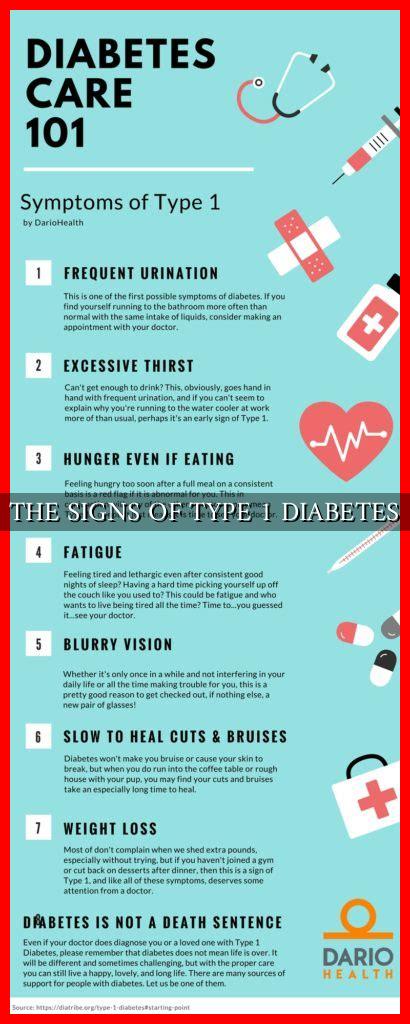
One of the hallmark signs of type 1 diabetes is excessive thirst and urination. When blood sugar levels are high, the kidneys work overtime to filter and absorb the excess glucose. This leads to increased urination, which can result in dehydration and subsequent thirst. If you find yourself constantly reaching for a glass of water or making frequent trips to the bathroom, it may be a sign of type 1 diabetes.
2. Unexplained Weight Loss
Another common symptom of type 1 diabetes is unexplained weight loss. Despite eating more than usual, individuals with type 1 diabetes may experience rapid weight loss. This is due to the body’s inability to use glucose for energy, leading to the breakdown of fat and muscle tissue. If you notice significant weight loss without any changes in diet or exercise, it is important to consult a healthcare provider for further evaluation.
3. Fatigue and Weakness
Feeling tired and weak is a common complaint among individuals with type 1 diabetes. Without enough insulin to convert glucose into energy, the body’s cells are unable to function properly, leading to fatigue and weakness. If you find yourself constantly tired despite getting enough rest, it may be a sign of uncontrolled blood sugar levels associated with type 1 diabetes.
4. Increased Hunger
Despite eating regularly, individuals with type 1 diabetes may experience increased hunger. This is because the body’s cells are not receiving enough glucose for energy, leading to feelings of hunger even after meals. If you find yourself constantly hungry and craving sugary or high-carb foods, it may be a sign of uncontrolled blood sugar levels associated with type 1 diabetes.
5. Blurred Vision
High blood sugar levels can affect the shape of the lens in the eye, leading to blurred vision. Individuals with type 1 diabetes may experience fluctuations in their vision, such as difficulty focusing or seeing clearly. If you notice changes in your vision, it is important to consult an eye doctor for a comprehensive eye exam to rule out any diabetes-related complications.
6. Nausea and Vomiting
In severe cases of uncontrolled type 1 diabetes, individuals may experience nausea and vomiting. This is often a sign of diabetic ketoacidosis, a life-threatening condition that occurs when the body produces high levels of ketones due to a lack of insulin. If you experience persistent nausea and vomiting, seek immediate medical attention to prevent further complications.
Conclusion
Recognizing the signs and symptoms of type 1 diabetes is crucial for early diagnosis and management of the condition. If you experience any of the aforementioned symptoms, it is important to consult a healthcare provider for further evaluation and testing. By staying informed and proactive about your health, you can effectively manage type 1 diabetes and lead a healthy, fulfilling life.
