

-
Table of Contents

What Are the Signs of Multiple Sclerosis (MS)?
Multiple Sclerosis (MS) is a chronic autoimmune disease that affects the central nervous system, including the brain and spinal cord. It can cause a wide range of symptoms that vary in severity and duration. Recognizing the signs of MS is crucial for early diagnosis and treatment. In this article, we will explore the common signs and symptoms of MS.
1. Vision Problems
One of the early signs of MS is vision problems, such as blurred vision, double vision, or loss of vision in one eye. These symptoms occur due to inflammation of the optic nerve, a condition known as optic neuritis. Vision problems may come and go, and they can be one of the first indicators of MS.
2. Fatigue
Fatigue is a common symptom of MS that can significantly impact daily life. People with MS often experience overwhelming fatigue that is not relieved by rest. This fatigue can be debilitating and may interfere with work, social activities, and overall quality of life.
3. Numbness and Tingling
Numbness and tingling sensations, also known as paresthesia, are common symptoms of MS. These sensations can occur in various parts of the body, such as the face, arms, legs, or torso. Numbness and tingling may come and go or persist over time.
4. Muscle Weakness
MS can cause muscle weakness, which may affect mobility and coordination. Weakness in the legs, arms, or other muscle groups can make it difficult to perform daily tasks. Muscle weakness may also lead to balance problems and an increased risk of falls.
5. Balance and Coordination Issues
Balance and coordination problems are common in people with MS. These symptoms can manifest as difficulty walking, dizziness, clumsiness, or a lack of coordination. Balance and coordination issues can impact daily activities and increase the risk of falls.
6. Cognitive Impairment
Cognitive impairment, such as memory problems, difficulty concentrating, and slowed thinking, can occur in people with MS. These cognitive symptoms can affect work performance, social interactions, and overall cognitive function.
7. Bladder and Bowel Dysfunction
MS can affect the nerves that control bladder and bowel function, leading to symptoms such as urinary urgency, frequency, incontinence, constipation, or diarrhea. Bladder and bowel dysfunction can be embarrassing and have a significant impact on quality of life.
8. Emotional Changes
Emotional changes, such as depression, anxiety, mood swings, or irritability, are common in people with MS. Dealing with a chronic illness can take a toll on mental health, and emotional changes may be a result of the physical and emotional challenges of living with MS.
9. Heat Sensitivity
Many people with MS experience sensitivity to heat, which can worsen symptoms such as fatigue, weakness, and cognitive impairment. Heat sensitivity can be triggered by hot weather, exercise, hot baths, or fever, and it can exacerbate existing MS symptoms.
10. Pain
Pain is a common symptom of MS, which can manifest as sharp, stabbing pain, burning sensations, or aching muscles. Pain can occur in various parts of the body and may be chronic or intermittent. Managing pain is an important aspect of MS treatment.
Summary
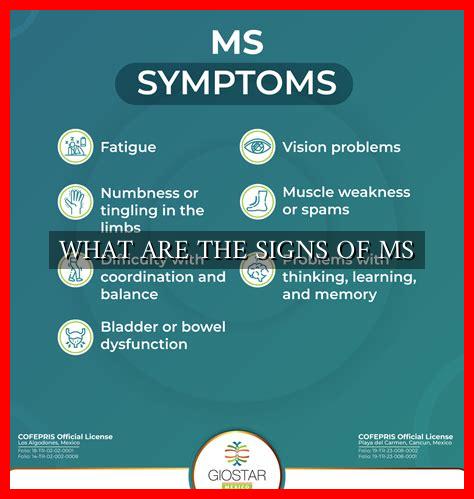
Recognizing the signs of MS is essential for early diagnosis and treatment. Common signs of MS include vision problems, fatigue, numbness and tingling, muscle weakness, balance and coordination issues, cognitive impairment, bladder and bowel dysfunction, emotional changes, heat sensitivity, and pain. If you or someone you know is experiencing these symptoms, it is important to consult a healthcare professional for evaluation and diagnosis.
For more information on Multiple Sclerosis, visit the National Multiple Sclerosis Society.
