

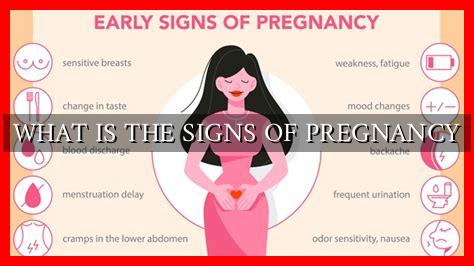
-
Table of Contents

What Are the Signs of Pregnancy?
Discovering that you are pregnant can be an exciting and life-changing moment. However, before taking a pregnancy test, it is essential to be aware of the signs that may indicate pregnancy. While some signs are more obvious than others, being able to recognize them can help you determine whether you should take a test or consult with a healthcare provider.
1. Missed Period
One of the most common signs of pregnancy is a missed period. If your menstrual cycle is regular and you have missed a period, it could be a strong indicator that you are pregnant. However, it is important to note that other factors, such as stress or hormonal imbalances, can also cause a missed period.
2. Nausea and Morning Sickness
Another common sign of pregnancy is nausea and morning sickness. Many women experience nausea, vomiting, or both during the early stages of pregnancy. This can occur at any time of the day, not just in the morning. While morning sickness is a common symptom, not all pregnant women experience it.
3. Fatigue
Feeling more tired than usual is another sign of pregnancy. Hormonal changes in the body can lead to increased fatigue, especially during the first trimester. If you find yourself needing more rest or feeling exhausted, it could be a sign that you are pregnant.
4. Breast Changes
During pregnancy, your breasts may undergo changes such as tenderness, swelling, or tingling. These changes are due to hormonal fluctuations in the body and can be one of the early signs of pregnancy. Some women may also notice their nipples becoming darker or more prominent.
5. Frequent Urination
If you find yourself making more trips to the bathroom than usual, it could be a sign of pregnancy. Hormonal changes can lead to increased blood flow to the kidneys, resulting in more frequent urination. This symptom is more common in the early stages of pregnancy.
6. Food Cravings and Aversions
Many pregnant women experience food cravings or aversions during pregnancy. You may find yourself craving certain foods that you normally do not enjoy, or feeling repulsed by foods you used to love. These changes in taste preferences can be a sign of pregnancy.
7. Mood Swings
Hormonal changes during pregnancy can also affect your mood. You may experience mood swings, irritability, or heightened emotions. These emotional changes are normal during pregnancy and are often attributed to fluctuating hormone levels.
8. Positive Pregnancy Test
Ultimately, the most definitive sign of pregnancy is a positive pregnancy test. If you have experienced one or more of the symptoms mentioned above and suspect you may be pregnant, taking a home pregnancy test can confirm your suspicions. It is important to follow the instructions carefully and consult with a healthcare provider for further guidance.
Conclusion
Recognizing the signs of pregnancy is crucial for early detection and proper prenatal care. While the symptoms mentioned above are common indicators of pregnancy, every woman’s experience is unique. If you suspect you may be pregnant, it is essential to consult with a healthcare provider for confirmation and guidance on next steps.
For more information on pregnancy signs and symptoms, visit WebMD’s guide on pregnancy.
