

Table of Contents
The Signs for Autism
Autism, or autism spectrum disorder (ASD), refers to a range of conditions characterized by challenges with social skills, repetitive behaviors, speech, and nonverbal communication. It affects individuals differently, and the signs can vary widely. Early detection and intervention are crucial in helping individuals with autism lead fulfilling lives. In this article, we will explore the signs of autism and how to recognize them.
Common Signs of Autism
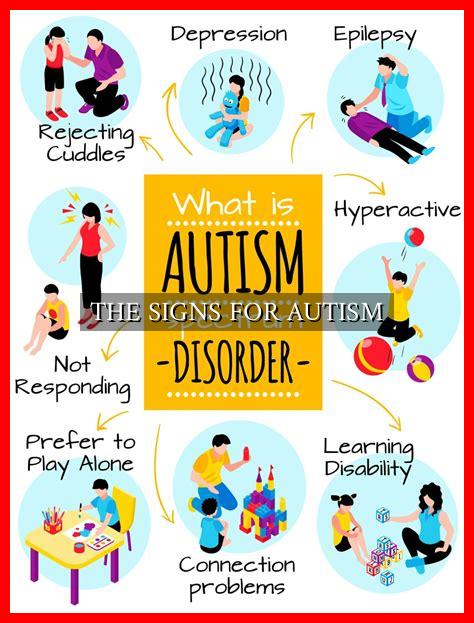
While each individual with autism is unique, there are some common signs that may indicate the presence of the disorder. These signs typically appear in early childhood, around the age of 2 or 3.

. Some of the key signs include:
- Difficulty with social interactions
- Repetitive behaviors
- Delayed speech or language skills
- Difficulty with nonverbal communication
- Fixation on specific interests
Recognizing the Signs
Recognizing the signs of autism can be challenging, especially for parents and caregivers who may not be familiar with the disorder. It is essential to be aware of the early signs and seek professional evaluation if you have concerns about your child’s development. Some signs that may indicate autism include:
- Lack of eye contact
- Difficulty understanding social cues
- Repetitive movements, such as hand-flapping or rocking
- Sensitivity to sensory stimuli, such as loud noises or bright lights
Case Studies
Case studies can provide valuable insights into the signs of autism and how they manifest in different individuals. One such case study involved a young boy who exhibited repetitive behaviors and had difficulty with social interactions. Through early intervention and therapy, the boy was able to improve his communication skills and social interactions, leading to a better quality of life.
Another case study focused on a girl with autism who had delayed speech and language skills. With the help of speech therapy and specialized education programs, the girl was able to improve her communication abilities and thrive in a supportive environment.
Statistics on Autism
According to the Centers for Disease Control and Prevention (CDC), autism affects approximately 1 in 54 children in the United States. Boys are four times more likely to be diagnosed with autism than girls. Early intervention can significantly improve outcomes for individuals with autism, highlighting the importance of early detection and treatment.
Conclusion
Recognizing the signs of autism is crucial in providing early intervention and support for individuals with the disorder. By being aware of the common signs and seeking professional evaluation when needed, parents and caregivers can help children with autism reach their full potential. Through early intervention, therapy, and support, individuals with autism can lead fulfilling and meaningful lives.
For more information on autism signs and symptoms, visit the Autism Speaks website.
