

-
Table of Contents
The Difference Between Signs and Symptoms
When it comes to understanding health conditions, it is essential to differentiate between signs and symptoms. While these terms are often used interchangeably, they have distinct meanings in the medical field. In this article, we will explore the difference between signs and symptoms, their significance in diagnosing illnesses, and how healthcare professionals use them to provide effective treatment.
What are Signs?
Signs are objective indications of a disease or medical condition that can be observed or measured by healthcare providers. These are typically physical manifestations that can be detected through medical tests, examinations, or observations. Signs are often visible to others and can be quantified to track the progression of a disease.
- Examples of signs include:
- Fever
- Rash
- High blood pressure
- Abnormal heart sounds
What are Symptoms?
Symptoms, on the other hand, are subjective experiences reported by the patient that indicate a potential health issue.
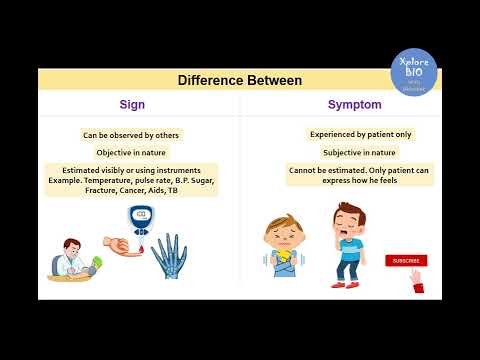
. These are sensations or feelings that the individual perceives and may not be readily apparent to others. Symptoms can vary in intensity and may change over time based on the progression of the underlying condition.
- Examples of symptoms include:
- Pain
- Fatigue
- Nausea
- Dizziness
Why is the Distinction Important?
Understanding the difference between signs and symptoms is crucial for healthcare professionals in diagnosing and treating patients effectively. Signs provide objective evidence of a disease, helping doctors make accurate diagnoses and monitor the progression of the condition. Symptoms, on the other hand, offer valuable insights into how the patient is feeling and experiencing the illness.
By considering both signs and symptoms, healthcare providers can develop comprehensive treatment plans that address the underlying cause of the disease while also managing the patient’s symptoms to improve their quality of life.
Case Study: Diabetes
Let’s consider diabetes as an example to illustrate the difference between signs and symptoms. A patient with diabetes may exhibit signs such as elevated blood sugar levels, frequent urination, and unexplained weight loss. These objective indicators can be measured through blood tests and physical examinations.
On the other hand, the patient may experience symptoms like increased thirst, fatigue, and blurred vision. These subjective sensations are reported by the individual and provide valuable information about how the disease is affecting their daily life.
Conclusion
In conclusion, signs and symptoms play distinct roles in the diagnosis and treatment of medical conditions. Signs are objective manifestations that can be observed or measured by healthcare providers, while symptoms are subjective experiences reported by the patient. By considering both signs and symptoms, healthcare professionals can gain a comprehensive understanding of the patient’s health status and provide personalized care.
Next time you visit a healthcare provider, pay attention to both the signs and symptoms you are experiencing, as they can provide valuable clues about your health condition. By working together with your healthcare team, you can ensure a more accurate diagnosis and effective treatment plan.
