

-
Table of Contents
Cervical Cancer: What Are the Signs?
Cervical cancer is a type of cancer that occurs in the cells of the cervix, which is the lower part of the uterus that connects to the vagina. It is one of the most common types of cancer in women worldwide, but when detected early, it is highly treatable. Understanding the signs and symptoms of cervical cancer is crucial for early detection and successful treatment.
Signs and Symptoms
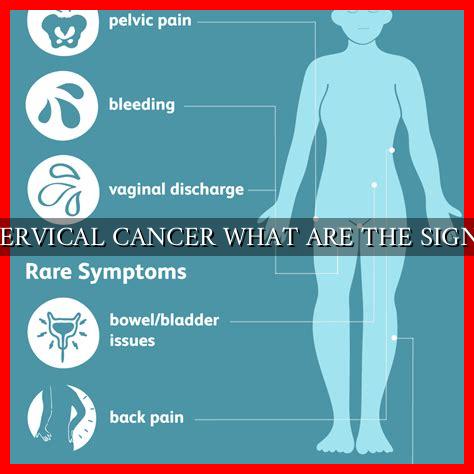
It is important to note that early-stage cervical cancer may not present any symptoms at all. However, as the cancer progresses, the following signs and symptoms may occur:
- Abnormal vaginal bleeding, such as bleeding between periods, after sex, or after menopause
- Pain during sex
- Pelvic pain that is not related to menstruation
- Unusual vaginal discharge that may be watery, bloody, or have a foul odor
- Increased urinary frequency
If you experience any of these symptoms, it is important to consult a healthcare provider for further evaluation. Keep in mind that these symptoms can also be caused by other conditions, so it is essential to undergo proper testing to determine the cause.
Risk Factors
Several factors can increase the risk of developing cervical cancer, including:
- Human papillomavirus (HPV) infection
- Smoking
- Weak immune system
- Family history of cervical cancer
- Early sexual activity
It is important to be aware of these risk factors and take preventive measures to reduce your risk of developing cervical cancer.

. Regular screenings, such as Pap smears and HPV tests, can help detect abnormalities early on.
Prevention and Screening
Preventive measures play a crucial role in reducing the risk of cervical cancer. The following steps can help prevent cervical cancer:
- Get vaccinated against HPV
- Avoid smoking
- Practice safe sex
- Attend regular screenings as recommended by your healthcare provider
Screening tests, such as Pap smears and HPV tests, can detect abnormal changes in the cervix before they develop into cancer. Early detection through screening can significantly improve the chances of successful treatment.
Conclusion
Being aware of the signs and symptoms of cervical cancer is essential for early detection and timely treatment. By understanding the risk factors, practicing preventive measures, and attending regular screenings, you can reduce your risk of developing cervical cancer. If you experience any symptoms or have concerns about your cervical health, do not hesitate to consult a healthcare provider for further evaluation.
Remember, early detection saves lives.
