


-
Table of Contents
What Are the Signs of a Heart Attack
A heart attack, also known as a myocardial infarction, occurs when the blood flow to a part of the heart is blocked for a long enough time that part of the heart muscle is damaged or dies. It is a serious medical emergency that requires immediate attention. Recognizing the signs of a heart attack can help save lives. Here are some common signs and symptoms to look out for:
Chest Pain or Discomfort
One of the most common signs of a heart attack is chest pain or discomfort. This pain can feel like pressure, squeezing, fullness, or pain in the center or left side of the chest.
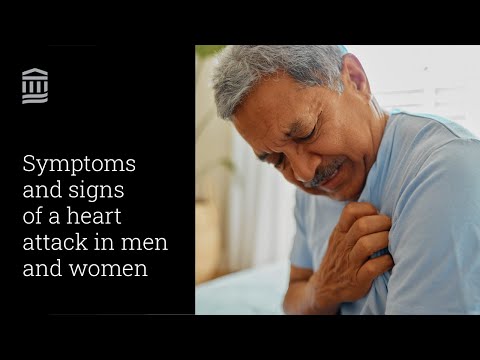
. It may come and go or persist for more than a few minutes. The pain may also radiate to the arms, back, neck, jaw, or stomach.
Shortness of Breath
Another common symptom of a heart attack is shortness of breath. This can occur with or without chest discomfort. You may feel like you can’t catch your breath or like you’re suffocating. Shortness of breath can also be accompanied by sweating, nausea, or lightheadedness.
Other Signs and Symptoms
- Feeling lightheaded or dizzy
- Cold sweats
- Nausea or vomiting
- Unexplained fatigue
- Heart palpitations
Women and Heart Attacks
It’s important to note that the signs of a heart attack can be different for women. Women are more likely to experience symptoms such as shortness of breath, nausea, vomiting, and back or jaw pain. Women may also have atypical chest pain that feels more like pressure or discomfort rather than sharp pain.
When to Seek Help
If you or someone you know is experiencing any of the signs and symptoms of a heart attack, it’s crucial to seek medical help immediately. Call emergency services or go to the nearest hospital. Time is of the essence when it comes to treating a heart attack, and early intervention can save lives.
Preventing Heart Attacks
While some risk factors for heart attacks, such as age and family history, cannot be changed, there are steps you can take to reduce your risk of having a heart attack:
- Quit smoking
- Maintain a healthy weight
- Eat a healthy diet low in saturated fats, trans fats, and cholesterol
- Exercise regularly
- Manage stress
- Control high blood pressure, high cholesterol, and diabetes
By making healthy lifestyle choices and managing risk factors, you can lower your chances of having a heart attack.
Conclusion
Recognizing the signs of a heart attack is crucial for prompt treatment and better outcomes. Chest pain or discomfort, shortness of breath, and other symptoms like lightheadedness, nausea, and fatigue are common signs of a heart attack. Women may experience different symptoms than men. If you or someone you know is experiencing signs of a heart attack, seek medical help immediately. Taking steps to prevent heart attacks, such as quitting smoking, eating a healthy diet, and exercising regularly, can also reduce your risk. Remember, early intervention is key in saving lives when it comes to heart attacks.
