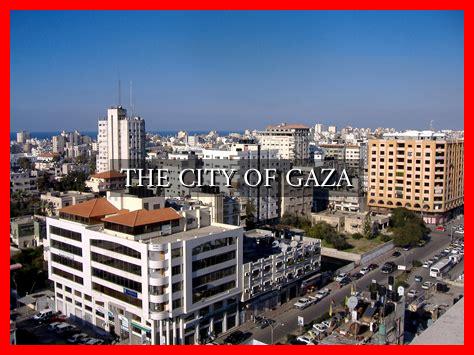
-
Table of Contents
The City of Gaza: A Historical and Cultural Overview
Gaza, a city located in the southern part of Palestine, holds a rich history that dates back thousands of years. Known for its strategic location along the Mediterranean coast, Gaza has been a significant hub for trade, culture, and religion throughout the ages. In this article, we will delve into the historical and cultural significance of Gaza, exploring its past, present, and future.
The Ancient History of Gaza
Founded by the ancient Canaanites, Gaza has been inhabited since at least the 15th century BCE. It was later conquered by the Egyptians, Philistines, Assyrians, Babylonians, Persians, Greeks, Romans, and Byzantines, each leaving their mark on the city’s culture and architecture. Gaza was an important center of trade and commerce, connecting the Mediterranean world with the Arabian Peninsula and beyond.
- During the Roman period, Gaza was known for its production of wine and olive oil, which were exported to other parts of the empire.
- The city was also a center of learning, with a renowned university that attracted scholars from across the region.
The Modern City of Gaza
Today, Gaza is a bustling urban center with a population of over two million people.
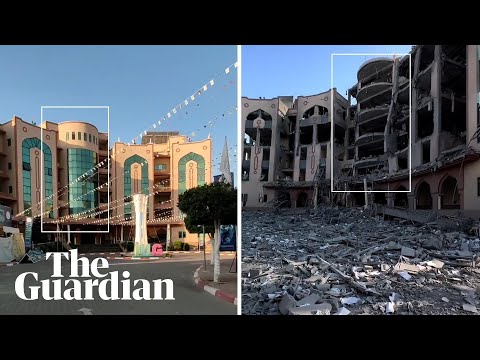
. Despite being one of the most densely populated areas in the world, Gaza is home to a vibrant culture that is a blend of Arab, Islamic, and Palestinian traditions. The city is known for its traditional markets, mosques, and historic sites, such as the Great Mosque of Gaza and the Old City.
- Gaza is also famous for its cuisine, which includes dishes like falafel, hummus, and maqluba.
- The city has a thriving arts scene, with many local artists gaining international recognition for their work.
The Challenges Facing Gaza
Despite its rich history and cultural heritage, Gaza faces numerous challenges in the present day. The city has been the site of ongoing conflict between Israel and Palestine, resulting in widespread destruction and loss of life. The blockade imposed on Gaza has severely limited access to basic necessities such as food, water, and medical supplies, leading to a humanitarian crisis.
- According to the United Nations, over 70% of the population in Gaza is food insecure, and unemployment rates are among the highest in the world.
- The lack of access to clean water and electricity has also had a devastating impact on the health and well-being of the residents of Gaza.
The Future of Gaza
Despite the challenges it faces, Gaza remains a resilient city with a strong sense of community and identity. Efforts are being made to rebuild and revitalize the city, with organizations working to provide humanitarian aid and support to the people of Gaza. International support and solidarity are crucial in helping Gaza overcome its current difficulties and build a brighter future for its residents.
In conclusion, the city of Gaza is a place of great historical and cultural significance, with a rich past and a promising future. By understanding and appreciating the unique heritage of Gaza, we can work towards a more peaceful and prosperous future for all who call this city home.
For more information on the history and culture of Gaza, visit Encyclopedia Britannica.