-
Table of Contents
The Impact of Visceral Fat Range in Females
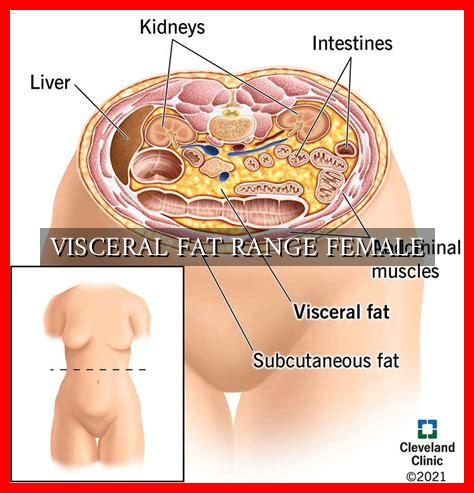
Visceral fat, also known as abdominal fat, is a type of fat that is stored within the abdominal cavity. Unlike subcutaneous fat, which lies just beneath the skin, visceral fat surrounds vital organs such as the liver, pancreas, and intestines. Excessive accumulation of visceral fat has been linked to a range of health issues, including cardiovascular disease, type 2 diabetes, and certain types of cancer. In this article, we will explore the impact of visceral fat range in females and discuss strategies for reducing visceral fat levels.
Understanding Visceral Fat Range
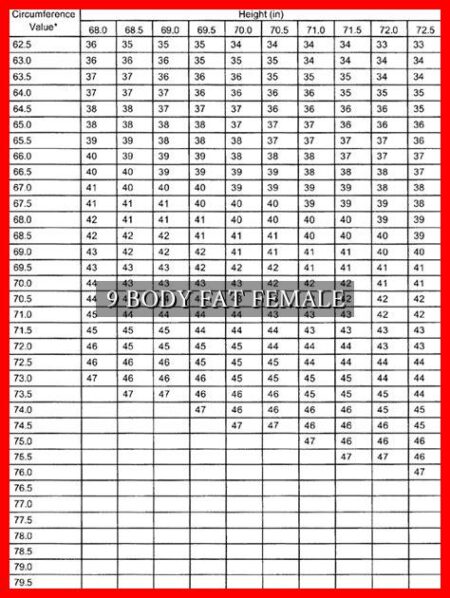
Visceral fat range is typically measured using waist circumference or waist-to-hip ratio. A waist circumference of more than 35 inches for women is considered high, while a waist-to-hip ratio of over 0.85 indicates an increased risk of health problems associated with visceral fat.

. It is important to note that genetics, age, hormonal changes, and lifestyle factors can all influence the distribution of visceral fat in females.
Health Risks Associated with Excess Visceral Fat
- Cardiovascular Disease: Excess visceral fat can lead to the accumulation of plaque in the arteries, increasing the risk of heart disease and stroke.
- Type 2 Diabetes: Visceral fat produces inflammatory substances that can interfere with insulin function, leading to insulin resistance and diabetes.
- Cancer: Studies have shown that high levels of visceral fat are associated with an increased risk of certain types of cancer, including breast and colorectal cancer.
Strategies for Reducing Visceral Fat
Reducing visceral fat range in females requires a combination of dietary changes, regular exercise, and lifestyle modifications. Here are some effective strategies:
- Follow a balanced diet rich in fruits, vegetables, whole grains, lean proteins, and healthy fats.
- Incorporate regular aerobic exercise, such as brisk walking, running, or cycling, to burn calories and reduce visceral fat.
- Include strength training exercises to build muscle mass, which can help increase metabolism and burn more calories.
- Manage stress levels through relaxation techniques such as yoga, meditation, or deep breathing exercises.
Case Study: The Impact of Visceral Fat Reduction
A recent study published in the Journal of Clinical Endocrinology and Metabolism followed a group of women who participated in a 12-week exercise program aimed at reducing visceral fat. The results showed a significant decrease in visceral fat range among the participants, along with improvements in insulin sensitivity and cardiovascular health markers.
Conclusion
In conclusion, understanding the impact of visceral fat range in females is crucial for maintaining overall health and well-being. By adopting a healthy lifestyle that includes a balanced diet, regular exercise, and stress management techniques, women can effectively reduce visceral fat levels and lower their risk of developing chronic diseases. It is important to consult with a healthcare provider or a nutritionist to create a personalized plan for reducing visceral fat and improving overall health.