-
Table of Contents
7 Worst Foods for Gut Health
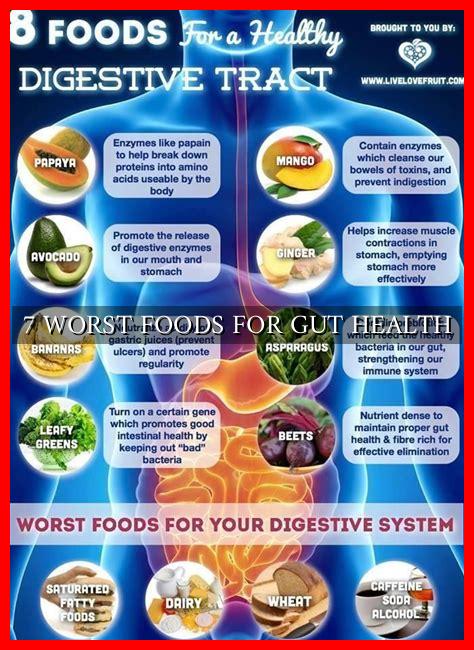
Our gut health plays a crucial role in our overall well-being. A healthy gut is essential for proper digestion, nutrient absorption, and even immune function. However, certain foods can wreak havoc on our gut microbiome, leading to digestive issues, inflammation, and other health problems. In this article, we will explore the 7 worst foods for gut health and why you should avoid them.
Sugar
Sugar is one of the worst offenders when it comes to gut health. Consuming too much sugar can feed harmful bacteria in the gut, leading to an imbalance in the microbiome.

. This can result in bloating, gas, and even more serious conditions like leaky gut syndrome. Additionally, sugar can promote inflammation in the body, which can further damage the gut lining.
- Examples of high-sugar foods to avoid include sugary drinks, candy, pastries, and processed foods.
Artificial Sweeteners
While artificial sweeteners may seem like a healthier alternative to sugar, they can also have a negative impact on gut health. Studies have shown that artificial sweeteners can alter the composition of gut bacteria, leading to digestive issues and metabolic disturbances. Additionally, some artificial sweeteners have been linked to inflammation in the gut.
- Common artificial sweeteners to watch out for include aspartame, sucralose, and saccharin.
Processed Foods
Processed foods are often high in unhealthy fats, sugar, and additives that can disrupt the balance of gut bacteria. These foods are also low in fiber, which is essential for a healthy gut microbiome. Consuming a diet high in processed foods can lead to inflammation, digestive problems, and an increased risk of chronic diseases.
- Avoid processed foods like fast food, frozen meals, and packaged snacks.
Trans Fats
Trans fats are artificial fats that are commonly found in fried foods, baked goods, and margarine. These fats can have a detrimental effect on gut health by promoting inflammation and disrupting the balance of gut bacteria. Consuming trans fats regularly can increase the risk of inflammatory bowel diseases and other gut-related issues.
- Read food labels carefully to avoid trans fats, which are often listed as partially hydrogenated oils.
Gluten
Gluten is a protein found in wheat, barley, and rye that can be difficult for some people to digest. For individuals with gluten sensitivity or celiac disease, consuming gluten can trigger inflammation in the gut and damage the intestinal lining. This can lead to symptoms like bloating, diarrhea, and nutrient malabsorption.
- If you suspect gluten may be affecting your gut health, consider eliminating gluten-containing foods from your diet.
Dairy
Dairy products like milk, cheese, and yogurt can be problematic for some individuals due to lactose intolerance or sensitivity to dairy proteins. Consuming dairy products can lead to digestive issues like bloating, gas, and diarrhea. Additionally, some people may experience inflammation in the gut as a result of consuming dairy.
- If you suspect dairy may be causing gut issues, try eliminating dairy products from your diet to see if symptoms improve.
Alcohol
Excessive alcohol consumption can have a negative impact on gut health by disrupting the balance of gut bacteria and damaging the intestinal lining. Alcohol can also increase intestinal permeability, leading to leaky gut syndrome. Chronic alcohol consumption has been linked to digestive issues, inflammation, and an increased risk of gut-related diseases.
- Limit alcohol intake and opt for moderation to protect your gut health.
Summary
Our gut health is influenced by the foods we eat, and avoiding the worst offenders can help maintain a healthy gut microbiome. By steering clear of sugar, artificial sweeteners, processed foods, trans fats, gluten, dairy, and excessive alcohol, you can support your gut health and overall well-being. Opting for a diet rich in whole, unprocessed foods, fiber, and probiotic-rich foods can help promote a healthy gut microbiome and reduce the risk of gut-related issues.
Remember, a healthy gut is essential for optimal digestion, nutrient absorption, and immune function. By making informed choices about the foods you consume, you can support your gut health and improve your overall quality of life.