-
Table of Contents
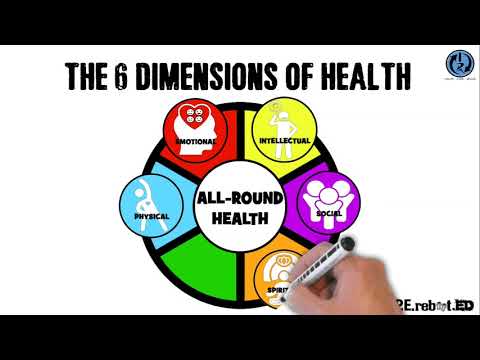
The 6 Dimensions of Health
Health is a complex and multifaceted concept that goes beyond just the absence of disease. In order to achieve optimal well-being, it is essential to consider the various dimensions of health that contribute to overall wellness. Understanding these dimensions can help individuals make informed decisions about their health and lead a balanced lifestyle. In this article, we will explore the 6 dimensions of health and how they interact to create a holistic approach to well-being.
Physical Health
Physical health refers to the state of the body and its ability to perform daily activities without experiencing fatigue or pain. This dimension includes aspects such as exercise, nutrition, sleep, and regular medical check-ups.
. Engaging in regular physical activity, eating a balanced diet, getting enough rest, and seeking medical attention when needed are all important components of physical health.
- Example: A study published in the Journal of the American Heart Association found that individuals who engage in regular physical activity have a lower risk of developing chronic diseases such as heart disease and diabetes.
Emotional Health
Emotional health involves the ability to understand and manage one’s feelings in a healthy way. This dimension includes aspects such as self-esteem, stress management, resilience, and emotional intelligence. Developing strong emotional health can help individuals cope with life’s challenges and maintain a positive outlook on life.
- Example: According to the American Psychological Association, individuals with good emotional health are better able to handle stress, build strong relationships, and make healthy choices.
Mental Health
Mental health refers to cognitive and emotional well-being, including the ability to think clearly, make decisions, and cope with stress. This dimension includes aspects such as mental illness, cognitive function, and psychological well-being. Seeking therapy, practicing mindfulness, and engaging in activities that stimulate the mind are all important for maintaining good mental health.
- Example: The National Institute of Mental Health reports that approximately 1 in 5 adults in the United States experience mental illness in a given year.
Social Health
Social health refers to the ability to form meaningful relationships, communicate effectively, and interact with others in a positive way. This dimension includes aspects such as social support, community involvement, and interpersonal skills. Building strong social connections and maintaining healthy relationships are essential for overall well-being.
- Example: A study published in the Journal of Health and Social Behavior found that individuals with strong social networks have better physical and mental health outcomes.
Spiritual Health
Spiritual health involves finding meaning and purpose in life, connecting with something greater than oneself, and living in alignment with one’s values and beliefs. This dimension includes aspects such as religion, meditation, mindfulness, and personal growth. Cultivating spiritual health can provide individuals with a sense of peace, purpose, and fulfillment.
- Example: According to a study published in the Journal of Religion and Health, individuals who engage in spiritual practices report higher levels of well-being and life satisfaction.
Environmental Health
Environmental health refers to the impact of the external environment on one’s well-being, including factors such as air quality, water quality, food safety, and access to green spaces. This dimension includes aspects such as pollution, climate change, sustainability, and environmental justice. Taking steps to protect the environment and minimize exposure to harmful substances can have a positive impact on overall health.
- Example: The World Health Organization estimates that 4.2 million premature deaths worldwide are linked to outdoor air pollution each year.
Summary
Overall, the 6 dimensions of health – physical, emotional, mental, social, spiritual, and environmental – are interconnected and play a crucial role in shaping our overall well-being. By paying attention to each of these dimensions and taking proactive steps to improve them, individuals can achieve a balanced and holistic approach to health. It is important to remember that health is not just about the absence of disease, but about living a fulfilling and meaningful life in all its dimensions.