-
Table of Contents

5 Pillars of Health
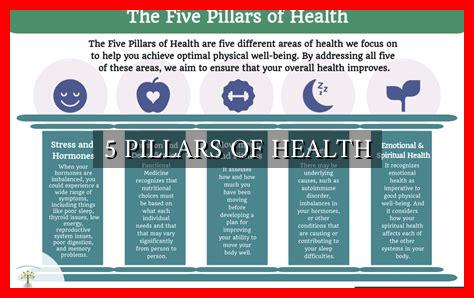
Health is a multifaceted concept that encompasses physical, mental, emotional, and social well-being. To achieve optimal health, it is essential to focus on various aspects of our lives that contribute to overall well-being. In this article, we will explore the 5 pillars of health that are crucial for maintaining a healthy and balanced lifestyle.
1. Nutrition
Proper nutrition is the foundation of good health. The food we eat provides the essential nutrients our bodies need to function effectively. A balanced diet that includes a variety of fruits, vegetables, whole grains, lean proteins, and healthy fats is key to maintaining optimal health. Research has shown that poor nutrition can lead to a variety of health issues, including obesity, heart disease, diabetes, and certain types of cancer.
- Include a variety of colorful fruits and vegetables in your diet to ensure you are getting a wide range of vitamins and minerals.
- Avoid processed foods high in sugar, salt, and unhealthy fats, as they can contribute to chronic diseases.
- Stay hydrated by drinking plenty of water throughout the day to support digestion and overall health.
For more information on healthy eating habits, you can visit ChooseMyPlate.gov.
2. Exercise
Regular physical activity is essential for maintaining a healthy body and mind. Exercise helps improve cardiovascular health, strengthen muscles and bones, and boost mood and mental well-being. The American Heart Association recommends at least 150 minutes of moderate-intensity exercise per week to maintain good health.
- Find an exercise routine that you enjoy, whether it’s walking, running, swimming, or yoga.
- Include strength training exercises to build muscle and improve metabolism.
- Set realistic fitness goals and track your progress to stay motivated and accountable.
For tips on creating a personalized exercise plan, you can visit CDC’s Physical Activity Guidelines.
3. Sleep
Quality sleep is essential for overall health and well-being. Lack of sleep can lead to a variety of health issues, including fatigue, poor concentration, weakened immune system, and increased risk of chronic diseases. Adults should aim for 7-9 hours of sleep per night to support optimal health.
- Create a relaxing bedtime routine to signal to your body that it’s time to sleep.
- Avoid screens and stimulating activities before bed to promote restful sleep.
- Ensure your sleep environment is comfortable, quiet, and dark to optimize sleep quality.
For more information on improving sleep habits, you can visit National Sleep Foundation.
4. Stress Management
Chronic stress can have a detrimental impact on both physical and mental health. It is essential to find healthy ways to manage stress and promote relaxation. Techniques such as mindfulness meditation, deep breathing exercises, yoga, and spending time in nature can help reduce stress levels and improve overall well-being.
- Practice mindfulness meditation for a few minutes each day to cultivate a sense of calm and presence.
- Engage in physical activities that you enjoy to release tension and boost mood.
- Connect with friends and loved ones for emotional support and social connection.
For resources on stress management techniques, you can visit American Psychological Association.
5. Social Connection
Human beings are social creatures, and maintaining strong social connections is essential for overall health and well-being. Research has shown that individuals with strong social support networks tend to live longer, healthier lives. Building and nurturing relationships with friends, family, and community members can provide emotional support, reduce feelings of loneliness, and improve mental health.
- Make time for social activities and gatherings with friends and loved ones.
- Join clubs, groups, or organizations that align with your interests to meet like-minded individuals.
- Volunteer in your community to give back and connect with others who share your values.
For more information on the importance of social connections, you can visit Mayo Clinic.
Summary
By focusing on the 5 pillars of health – nutrition, exercise, sleep, stress management, and social connection – individuals can take proactive steps to improve their overall well-being. Incorporating healthy habits in each of these areas can lead to a healthier, happier life. Remember that small changes can make a big difference in your health, so start implementing these pillars today for a better tomorrow.