-
Table of Contents
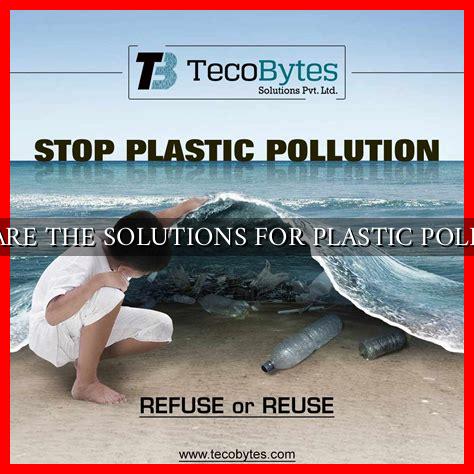
What Are the Solutions for Plastic Pollution
Plastic pollution has become a global crisis, with devastating effects on our environment, wildlife, and human health.

. As plastic production continues to rise, it is crucial to explore effective solutions to combat this pressing issue. In this article, we will delve into some of the most promising strategies to address plastic pollution.
1. Reduce Single-Use Plastics
One of the most effective ways to tackle plastic pollution is to reduce the production and consumption of single-use plastics. These items, such as plastic bags, straws, and water bottles, are used briefly but can persist in the environment for hundreds of years. By opting for reusable alternatives and supporting policies that ban or restrict single-use plastics, we can significantly reduce plastic waste.
- Encourage the use of reusable shopping bags and water bottles.
- Support legislation that bans or taxes single-use plastics.
- Choose products with minimal or biodegradable packaging.
2. Improve Recycling Infrastructure
While recycling is an essential part of waste management, many countries lack the necessary infrastructure to effectively recycle plastic waste. By investing in better recycling facilities, implementing comprehensive recycling programs, and educating the public about proper recycling practices, we can increase the recycling rates and reduce the amount of plastic ending up in landfills and oceans.
- Expand curbside recycling programs to include more types of plastics.
- Invest in advanced recycling technologies to process difficult-to-recycle plastics.
- Educate consumers about the importance of clean and sorted recyclables.
3. Promote Circular Economy Practices
A circular economy approach aims to minimize waste and maximize the value of resources by keeping materials in use for as long as possible. By promoting circular economy practices, such as designing products for durability, repairability, and recyclability, we can reduce the demand for new plastics and create a more sustainable system of production and consumption.
- Encourage companies to adopt eco-friendly packaging and product design.
- Support initiatives that promote the reuse and refurbishment of products.
- Implement extended producer responsibility programs to hold manufacturers accountable for their products’ end-of-life disposal.
4. Clean Up Plastic Waste
Despite our best efforts to reduce plastic pollution, there is already a significant amount of plastic waste in our environment. To address this issue, clean-up initiatives play a crucial role in removing plastic debris from oceans, rivers, and coastlines. By organizing community clean-up events, supporting volunteer efforts, and investing in innovative clean-up technologies, we can prevent further harm to ecosystems and wildlife.
- Participate in beach clean-ups and river restoration projects.
- Support organizations dedicated to marine conservation and plastic clean-up.
- Adopt sustainable waste management practices to prevent plastic leakage into the environment.
Conclusion
Plastic pollution is a complex and multifaceted problem that requires a comprehensive approach to address. By reducing single-use plastics, improving recycling infrastructure, promoting circular economy practices, and cleaning up plastic waste, we can make significant progress towards a cleaner and healthier planet. It is essential for individuals, businesses, governments, and organizations to work together to implement these solutions and create a more sustainable future for generations to come.