-
Table of Contents
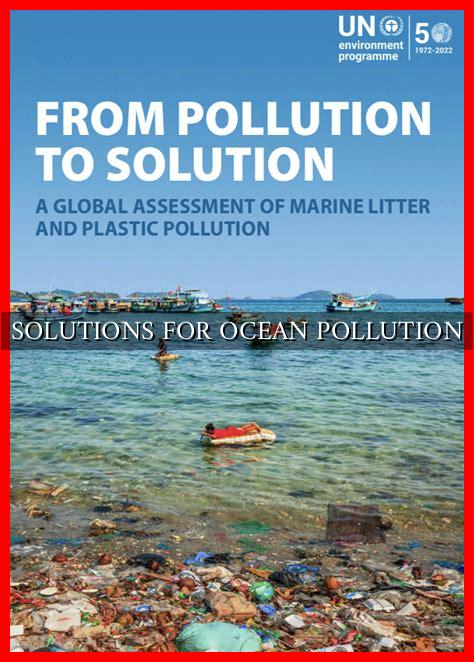
Solutions for Ocean Pollution
Ocean pollution is a pressing environmental issue that threatens marine life, ecosystems, and human health. The accumulation of plastic waste, chemical pollutants, and oil spills in our oceans has reached alarming levels, causing irreparable damage to the delicate balance of marine ecosystems. However, there are solutions that can help mitigate and prevent further ocean pollution. In this article, we will explore some of the most effective strategies and initiatives aimed at addressing this critical issue.
1. Reduce Single-Use Plastics
One of the primary sources of ocean pollution is single-use plastics, such as plastic bags, bottles, and straws. These items often end up in the ocean, where they break down into microplastics and pose a significant threat to marine life. To combat this problem, individuals, businesses, and governments can take steps to reduce their use of single-use plastics.
- Use reusable bags and water bottles
- Choose products with minimal packaging
- Say no to plastic straws and utensils
By reducing our reliance on single-use plastics, we can help prevent them from entering our oceans and harming marine ecosystems.
2. Implement Proper Waste Management
Improper waste management is a major contributor to ocean pollution, as trash and debris often find their way into waterways and eventually the ocean. To address this issue, communities can implement effective waste management practices, such as recycling programs, waste segregation, and proper disposal methods.
- Recycle paper, glass, and plastic
- Dispose of hazardous waste responsibly
- Clean up beaches and waterways
By managing waste properly on land, we can prevent it from polluting our oceans and threatening marine life.
3. Support Marine Conservation Efforts
Marine conservation organizations play a crucial role in protecting our oceans and combating pollution. By supporting these organizations through donations, volunteering, or advocacy, individuals can contribute to efforts to clean up marine environments, protect endangered species, and promote sustainable fishing practices.
One example of a successful marine conservation initiative is the Ocean Cleanup project, which aims to remove plastic debris from the Great Pacific Garbage Patch. Through innovative technologies and collaborative partnerships, this project is making significant strides in cleaning up our oceans.
4. Advocate for Policy Changes
Government policies and regulations can have a significant impact on reducing ocean pollution. By advocating for stronger environmental laws, bans on harmful chemicals, and stricter enforcement of pollution regulations, individuals can help create a more sustainable future for our oceans.
For example, the European Union recently adopted a ban on single-use plastics, including items like straws, cutlery, and cotton buds. This policy is expected to reduce marine litter and protect marine ecosystems from plastic pollution.
5. Educate and Raise Awareness
Educating the public about the importance of ocean conservation and the impact of pollution is essential for fostering a culture of environmental stewardship. By raising awareness through educational programs, campaigns, and outreach initiatives, we can inspire individuals to take action to protect our oceans.
One organization that is leading the way in ocean education is the Ocean Conservancy, which works to engage and empower people to take action to protect our oceans. Through initiatives like the International Coastal Cleanup, the Ocean Conservancy is mobilizing volunteers around the world to clean up beaches and waterways and raise awareness about ocean pollution.
Conclusion
Ocean pollution is a complex and multifaceted issue that requires a coordinated effort from individuals, businesses, governments, and organizations to address. By implementing solutions such as reducing single-use plastics, improving waste management practices, supporting marine conservation efforts, advocating for policy changes, and educating the public, we can work together to protect our oceans and ensure a sustainable future for marine life.
It is crucial that we take action now to prevent further damage to our oceans and preserve these vital ecosystems for future generations. By working together and implementing effective solutions, we can make a positive impact on ocean pollution and create a cleaner, healthier environment for all.