-
Table of Contents

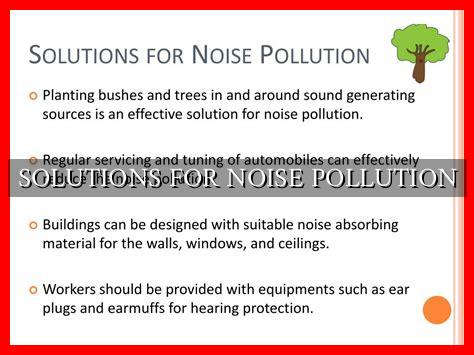
Solutions for Noise Pollution
Noise pollution is a growing concern in urban areas around the world. Excessive noise can have detrimental effects on human health, wildlife, and the environment. It can lead to stress, sleep disturbances, hearing loss, and even cardiovascular problems. In order to combat this issue, it is essential to implement effective solutions that can help reduce noise pollution. In this article, we will explore some of the most promising solutions for addressing noise pollution.
1. Urban Planning and Design
One of the most effective ways to reduce noise pollution is through urban planning and design. By incorporating sound-absorbing materials, green spaces, and buffer zones into urban environments, cities can create quieter and more peaceful spaces for residents. For example, the city of Barcelona has implemented a “superblock” system that restricts traffic in certain areas, reducing noise levels and improving air quality.
2. Noise Barriers
Noise barriers are physical structures that can help block or absorb sound from highways, railways, and industrial areas. These barriers can be made from materials such as concrete, wood, or vegetation. In the Netherlands, noise barriers have been successfully used to reduce noise levels near residential areas and improve quality of life for residents.
3. Noise Regulations
Implementing and enforcing noise regulations is crucial in controlling noise pollution. Governments can set limits on noise levels for different types of activities, such as construction, transportation, and industrial operations. In Singapore, strict noise regulations have been put in place to ensure that noise levels do not exceed acceptable limits in residential areas.
4. Soundproofing
Soundproofing buildings and homes can help reduce the transmission of noise from outside sources. This can be achieved through the use of double-glazed windows, insulation, and acoustic panels. In New York City, many buildings have been retrofitted with soundproofing materials to minimize noise from nearby traffic and construction sites.
5. Public Awareness and Education
Raising public awareness about the harmful effects of noise pollution is essential in promoting behavior change. Educating individuals about the sources of noise pollution and the steps they can take to reduce it can help create a more noise-conscious society. Organizations like the World Health Organization provide resources and information on noise pollution and its impacts.
6. Green Infrastructure
Green infrastructure, such as parks, green roofs, and urban forests, can help absorb and reduce noise levels in urban areas. Trees and vegetation act as natural sound barriers, absorbing and deflecting sound waves. Cities like Tokyo have implemented green infrastructure projects to mitigate noise pollution and improve overall environmental quality.
Conclusion
Noise pollution is a significant environmental issue that requires immediate attention and action. By implementing a combination of urban planning strategies, noise barriers, regulations, soundproofing techniques, public awareness campaigns, and green infrastructure projects, we can work towards reducing noise pollution and creating healthier and more livable cities. It is essential for governments, businesses, and individuals to collaborate and take proactive steps to address this pressing issue.
By adopting these solutions and working together, we can create a quieter and more peaceful world for future generations to enjoy.