-
Table of Contents
Solutions for Loss of Biodiversity
Biodiversity, the variety of life on Earth, is essential for the health and stability of ecosystems. However, human activities such as deforestation, pollution, and climate change have led to a rapid loss of biodiversity worldwide. In order to address this pressing issue, it is crucial to implement effective solutions that can help protect and restore biodiversity. In this article, we will explore some of the key solutions for loss of biodiversity.
Protecting and Restoring Habitats
One of the most effective ways to conserve biodiversity is to protect and restore natural habitats. This can be done through the establishment of protected areas such as national parks, wildlife reserves, and marine sanctuaries.
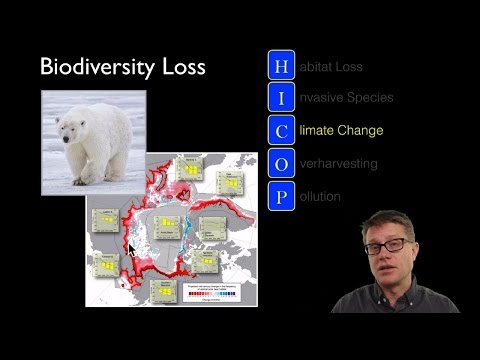
. These areas provide a safe haven for a wide range of plant and animal species, allowing them to thrive without the threat of human interference.
Regulating Wildlife Trade
Illegal wildlife trade is a major threat to biodiversity, leading to the decline of many endangered species. Governments and international organizations need to enforce strict regulations to combat this illegal activity. By cracking down on poaching and trafficking, we can help protect vulnerable species from extinction.
Implementing Sustainable Practices
Human activities such as agriculture, fishing, and logging can have a significant impact on biodiversity. By adopting sustainable practices, we can minimize our ecological footprint and reduce the negative effects on the environment. This includes practices such as organic farming, sustainable fishing methods, and responsible forestry management.
Engaging Local Communities
Local communities play a crucial role in biodiversity conservation. By involving communities in conservation efforts, we can ensure that they have a stake in protecting their natural resources. This can be done through education, awareness campaigns, and sustainable livelihood programs that empower communities to become stewards of their environment.
Supporting Research and Monitoring
Research and monitoring are essential for understanding the state of biodiversity and identifying key threats. By supporting scientific research and monitoring programs, we can gather valuable data that can inform conservation strategies and help track the progress of conservation efforts over time.
Conclusion
Loss of biodiversity is a global crisis that requires urgent action. By implementing solutions such as protecting and restoring habitats, regulating wildlife trade, adopting sustainable practices, engaging local communities, and supporting research and monitoring, we can work together to safeguard the rich tapestry of life on Earth. It is up to all of us to take responsibility for the future of our planet and ensure that biodiversity thrives for generations to come.