
-
Table of Contents
Solutions for Burning Fossil Fuels
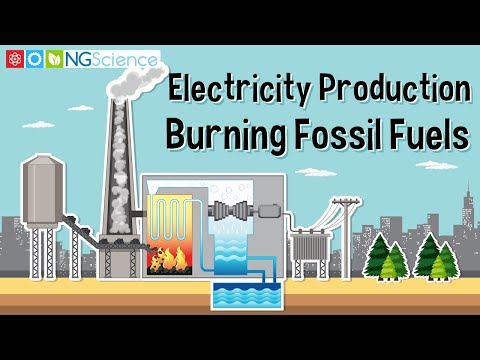
Fossil fuels, such as coal, oil, and natural gas, have been the primary sources of energy for centuries. However, the burning of fossil fuels releases harmful greenhouse gases into the atmosphere, contributing to climate change and air pollution. As the world grapples with the urgent need to transition to cleaner and more sustainable energy sources, various solutions have emerged to address the challenges posed by burning fossil fuels.
Renewable Energy Sources
One of the most effective solutions to reduce the reliance on fossil fuels is to transition to renewable energy sources, such as solar, wind, hydroelectric, and geothermal power. These sources are abundant, clean, and sustainable, offering a viable alternative to fossil fuels.
- Solar power: Solar panels convert sunlight into electricity, providing a clean and renewable source of energy. Countries like Germany and China have made significant investments in solar energy, leading the way in solar power generation.
- Wind power: Wind turbines harness the power of wind to generate electricity.

. Denmark is a global leader in wind energy, with wind power accounting for a significant portion of its electricity generation.
- Hydroelectric power: Hydroelectric dams use the force of flowing water to generate electricity. Norway and Brazil are among the countries that rely heavily on hydroelectric power for their energy needs.
- Geothermal power: Geothermal energy taps into the heat stored beneath the Earth’s surface to produce electricity. Iceland is a prime example of a country that has successfully utilized geothermal energy for its power generation.
Energy Efficiency
Another key solution to reduce the impact of burning fossil fuels is to improve energy efficiency in various sectors, including transportation, buildings, and industry. By using energy more efficiently, we can reduce the amount of fossil fuels burned and lower greenhouse gas emissions.
- Energy-efficient vehicles: Electric vehicles (EVs) and hybrid cars are becoming increasingly popular as alternatives to traditional gasoline-powered vehicles. Companies like Tesla have revolutionized the automotive industry with their electric cars.
- Green buildings: Green building practices, such as using energy-efficient materials and technologies, can significantly reduce energy consumption in buildings. LEED-certified buildings are examples of sustainable construction that prioritize energy efficiency.
- Industrial efficiency: Industries can improve energy efficiency by adopting cleaner technologies, optimizing processes, and reducing waste. Companies like Siemens and General Electric are leading the way in industrial energy efficiency.
Carbon Capture and Storage
Carbon capture and storage (CCS) technologies offer a way to capture carbon dioxide emissions from fossil fuel combustion and store them underground, preventing them from entering the atmosphere. CCS can help reduce greenhouse gas emissions from power plants and industrial facilities.
One example of successful CCS implementation is the Sleipner project in Norway, where carbon dioxide captured from a natural gas processing plant is injected into an underground saline aquifer for storage. The project has been operating since 1996 and has demonstrated the feasibility of CCS technology.
Conclusion
As the world faces the challenges of climate change and air pollution, finding solutions for burning fossil fuels is crucial for a sustainable future. By transitioning to renewable energy sources, improving energy efficiency, and implementing carbon capture and storage technologies, we can reduce our reliance on fossil fuels and mitigate their harmful effects on the environment. It is imperative that governments, industries, and individuals work together to accelerate the transition to a cleaner and more sustainable energy system.