
-
Table of Contents
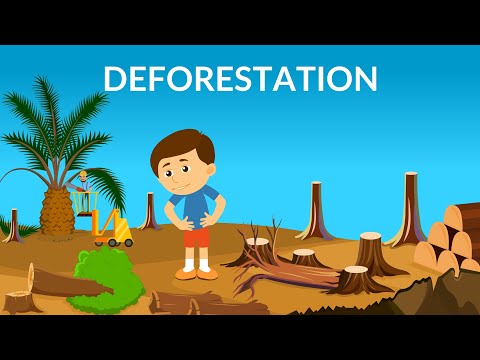
What Are Solutions for Deforestation
Deforestation is a critical environmental issue that continues to threaten our planet’s biodiversity, contribute to climate change, and disrupt ecosystems. It is essential to address this problem urgently and implement effective solutions to mitigate its impact. In this article, we will explore some of the key solutions for deforestation and their potential benefits.
1. Sustainable Logging Practices
One of the primary drivers of deforestation is logging for timber and paper production. Implementing sustainable logging practices can help reduce the impact of deforestation on forests. Sustainable logging involves harvesting trees in a way that maintains the health and biodiversity of the forest ecosystem. This can be achieved through selective logging, where only specific trees are harvested, and reforestation efforts are undertaken to replenish the forest.
2. Reforestation and Afforestation
Reforestation involves planting trees in areas that have been deforested, while afforestation involves planting trees in areas that were not previously forested. These practices help restore forest cover, sequester carbon dioxide from the atmosphere, and provide habitat for wildlife. Reforestation and afforestation projects can be implemented on a large scale to combat deforestation and its negative effects.
3. Protected Areas and Conservation Efforts
Creating protected areas such as national parks, wildlife reserves, and conservation areas can help safeguard forests from deforestation. These protected areas serve as important habitats for endangered species, promote biodiversity, and provide ecosystem services. Conservation efforts within these protected areas, such as anti-poaching measures and habitat restoration, are essential to preserving forests and preventing deforestation.
4. Sustainable Agriculture Practices
Agriculture is another significant driver of deforestation, as forests are cleared to make way for farmland. Implementing sustainable agriculture practices, such as agroforestry, organic farming, and crop rotation, can help reduce the need for deforestation. These practices promote soil health, conserve water resources, and protect biodiversity while ensuring food security for communities.
5. Consumer Awareness and Sustainable Choices
Consumers play a crucial role in driving demand for products that contribute to deforestation, such as palm oil, soy, and beef. By raising awareness about the environmental impact of these products and making sustainable choices, consumers can help reduce the demand for deforestation-linked products. Choosing certified sustainable products and supporting companies that prioritize environmental conservation can make a significant difference in combating deforestation.
Summary
Deforestation is a complex issue that requires a multifaceted approach to address effectively. By implementing sustainable logging practices, promoting reforestation and afforestation, creating protected areas, adopting sustainable agriculture practices, and raising consumer awareness, we can work towards reducing deforestation and preserving our planet’s forests for future generations. It is crucial for governments, businesses, and individuals to collaborate and take action to protect our forests and combat deforestation.