-
Table of Contents
2 Problems with Acid Rain
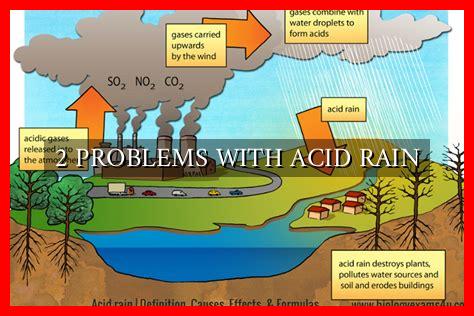
Acid rain is a serious environmental issue that has detrimental effects on ecosystems, human health, and infrastructure. It is caused by the release of sulfur dioxide (SO2) and nitrogen oxides (NOx) into the atmosphere, which react with water vapor to form sulfuric acid and nitric acid. These acids then fall to the ground as acid rain, snow, or fog.
. In this article, we will explore two major problems associated with acid rain.
1. Damage to Ecosystems
One of the most significant problems with acid rain is the damage it causes to ecosystems. Acid rain can lower the pH of soil and bodies of water, making them too acidic for many plants and animals to survive. This can lead to a decline in biodiversity and the loss of important species in affected areas.
- Forests: Acid rain can damage trees by leaching essential nutrients from the soil, weakening their roots, and making them more susceptible to diseases and pests. This can result in stunted growth, leaf loss, and even death of trees.
- Aquatic ecosystems: Acid rain can acidify lakes, rivers, and streams, harming aquatic life such as fish, amphibians, and invertebrates. It can also disrupt the reproductive cycles of these organisms, leading to population declines and imbalances in the ecosystem.
For example, in the Adirondack Mountains of New York, acid rain has caused the acidification of over 700 lakes and ponds, resulting in the loss of fish species and the decline of aquatic vegetation.
2. Damage to Infrastructure
Another major problem with acid rain is the damage it can cause to infrastructure. The acidity of acid rain can corrode buildings, monuments, bridges, and other structures made of limestone, marble, or metal. This can lead to structural weakening, discoloration, and deterioration of these structures over time.
- Buildings and monuments: Acid rain can erode the surfaces of buildings and monuments, causing them to lose their original appearance and historical significance. For example, the Taj Mahal in India has been affected by acid rain, leading to discoloration and damage to its marble facade.
- Bridges and roads: Acid rain can corrode metal structures such as bridges and roads, leading to safety hazards and costly repairs. In the United States, the Golden Gate Bridge in San Francisco has been impacted by acid rain, requiring ongoing maintenance to prevent deterioration.
Overall, acid rain poses significant challenges to ecosystems, human health, and infrastructure. It is essential to address the root causes of acid rain by reducing emissions of sulfur dioxide and nitrogen oxides from sources such as power plants, vehicles, and industrial processes. By taking action to mitigate acid rain, we can protect the environment and ensure a sustainable future for generations to come.
Summary
In conclusion, acid rain is a complex environmental issue that has far-reaching impacts on ecosystems and infrastructure. By understanding the problems associated with acid rain, we can work towards solutions that reduce its harmful effects and protect the environment. It is crucial for governments, industries, and individuals to take action to reduce emissions of sulfur dioxide and nitrogen oxides and promote sustainable practices that minimize the production of acid rain. Together, we can make a positive impact on the health of our planet and create a cleaner, healthier world for all.