

-
Table of Contents
QR CODE: HOW DOES IT WORK
In today’s digital age, QR codes have become a ubiquitous part of our daily lives. From scanning a QR code to access a website, make a payment, or check-in at a venue, these square-shaped codes have revolutionized the way we interact with technology. But how exactly do QR codes work? In this article, we will delve into the intricacies of QR codes and explore the technology behind them.
What is a QR Code?
QR code, short for Quick Response code, is a two-dimensional barcode that can store information in both vertical and horizontal directions. Unlike traditional barcodes that can only store limited data, QR codes can hold a variety of information, including URLs, text, contact information, and more. This versatility makes QR codes a powerful tool for businesses and consumers alike.
How Does a QR Code Work?
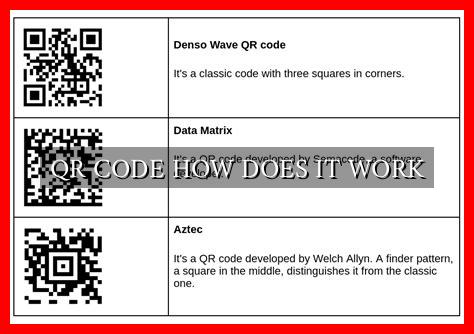
At its core, a QR code works by encoding information into a pattern of black squares on a white background.

. When you scan a QR code using a smartphone or a QR code reader, the device’s camera captures the code and decodes the information embedded within it. This process typically involves the following steps:
- The QR code is scanned using a smartphone or QR code reader.
- The device’s camera captures the QR code and converts it into a digital image.
- The QR code reader software decodes the information stored in the code.
- The decoded information is displayed on the device’s screen, allowing the user to access the intended content.
Applications of QR Codes
QR codes have a wide range of applications across various industries. Some common uses of QR codes include:
- Marketing and advertising: Businesses use QR codes to drive traffic to their websites, promote products, and engage customers.
- Payments: QR codes are used for mobile payments, allowing users to make transactions quickly and securely.
- Event management: QR codes are used for ticketing, check-ins, and access control at events and venues.
- Inventory management: QR codes are used to track and manage inventory in warehouses and stores.
Case Study: QR Codes in Retail
One industry that has embraced QR codes is retail. Retailers use QR codes to provide customers with product information, promotions, and discounts. For example, a clothing store may place QR codes on clothing tags that link to product details and styling tips. By scanning the QR code, customers can access additional information and make informed purchasing decisions.
Future of QR Codes
As technology continues to evolve, the future of QR codes looks promising. With the rise of contactless payments, augmented reality, and Internet of Things (IoT) devices, QR codes are expected to play an even bigger role in our daily lives. Whether it’s for marketing, payments, or information sharing, QR codes are here to stay.
Summary
In conclusion, QR codes are a versatile and powerful tool that has revolutionized the way we interact with technology. By encoding information into a pattern of black squares, QR codes enable users to access a wide range of content with a simple scan. From marketing and payments to event management and inventory tracking, the applications of QR codes are endless. As technology advances, we can expect to see even more innovative uses of QR codes in the future.
