

-
Table of Contents
Miscarriage: How Does It Look Like
Miscarriage is a heartbreaking experience that affects many women around the world. It is estimated that about 10-20% of known pregnancies end in miscarriage, with the actual number likely higher due to many miscarriages occurring before a woman even realizes she is pregnant. Understanding what a miscarriage looks like can help women recognize the signs and seek appropriate medical care.
What is a Miscarriage?
A miscarriage, also known as spontaneous abortion, is the loss of a pregnancy before the 20th week. It can happen for a variety of reasons, including genetic abnormalities, hormonal imbalances, infections, or underlying health conditions. Miscarriages can be emotionally and physically challenging for women and their partners.
How Does a Miscarriage Look Like?
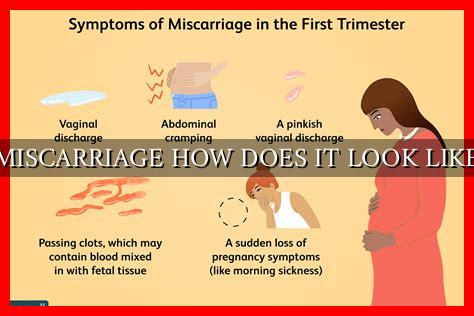
A miscarriage can present differently for each woman, but common signs and symptoms include:
- Vaginal bleeding, which can range from light spotting to heavy bleeding
- Cramping or abdominal pain
- Passing of tissue or clots from the vagina
- Loss of pregnancy symptoms, such as nausea or breast tenderness
It is important to note that not all vaginal bleeding or cramping indicates a miscarriage, but it is essential to seek medical attention if you experience any of these symptoms during pregnancy.
Types of Miscarriage
There are different types of miscarriages, including:
- Missed miscarriage: The embryo has stopped developing, but the body has not yet recognized the loss.
- Complete miscarriage: The pregnancy has ended, and all tissue has passed from the uterus.
- Incomplete miscarriage: Some tissue remains in the uterus after the pregnancy has ended.
- Threatened miscarriage: Vaginal bleeding and cramping occur, but the pregnancy may still continue.
Seeking Medical Help
If you suspect you are experiencing a miscarriage, it is crucial to seek medical help immediately.

. Your healthcare provider can perform tests, such as an ultrasound or blood work, to confirm a miscarriage and provide appropriate care. In some cases, a procedure called a dilation and curettage (D&C) may be necessary to remove any remaining tissue from the uterus.
Emotional Support
Coping with a miscarriage can be emotionally challenging, and it is essential to seek support from loved ones, a therapist, or a support group. Talking about your feelings and emotions can help you process your grief and begin the healing process.
Conclusion
Miscarriage is a difficult experience that many women face, but understanding what it looks like and seeking appropriate medical care can help navigate this challenging time. Remember that you are not alone, and there are resources available to support you through this journey.
For more information on miscarriage, visit Mayo Clinic.
