

-
Table of Contents
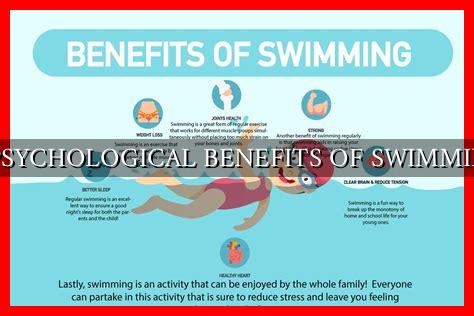
4 Psychological Benefits of Swimming
Swimming is not only a great form of physical exercise but also offers numerous psychological benefits that can improve mental well-being.
. Whether you are swimming laps in a pool or enjoying a leisurely swim in the ocean, the mental health benefits of swimming are undeniable. In this article, we will explore four key psychological benefits of swimming.
1. Stress Reduction
Swimming has been shown to be an effective stress-reliever, helping to reduce anxiety and promote relaxation. The rhythmic nature of swimming, combined with the soothing sensation of being in the water, can have a calming effect on the mind. Research has shown that swimming can lower levels of stress hormones such as cortisol, leading to a more relaxed state of mind.
- According to a study published in the Journal of Sport and Health Science, swimming can significantly reduce symptoms of anxiety and depression.
- Swimming in natural bodies of water, such as lakes or oceans, has been found to have an even greater stress-reducing effect due to the presence of negative ions in the air.
2. Improved Mood
Swimming has been linked to improved mood and a sense of well-being. The release of endorphins during exercise, commonly known as the “feel-good” hormones, can help boost mood and alleviate symptoms of depression. Additionally, the sense of accomplishment and satisfaction that comes from completing a swim workout can enhance self-esteem and confidence.
- A study published in the Journal of Aquatic Physical Therapy found that swimming can improve mood and reduce feelings of tension and fatigue.
- Swimming in a group or with a partner can also provide social support and a sense of community, further enhancing mood and overall well-being.
3. Cognitive Benefits
Swimming has been shown to have cognitive benefits, including improved memory, focus, and mental clarity. The combination of physical activity and being in water can stimulate the brain and enhance cognitive function. Swimming requires coordination, concentration, and focus, which can help sharpen cognitive skills and improve overall brain health.
- Research published in the Frontiers in Psychology journal suggests that regular swimming can improve cognitive function and reduce the risk of cognitive decline in older adults.
- Swimming has also been found to increase blood flow to the brain, which can enhance cognitive performance and mental acuity.
4. Stress Relief
Swimming can provide a sense of escape from the stresses of daily life, allowing individuals to disconnect from technology and distractions and focus on the present moment. The meditative quality of swimming, combined with the sensory experience of being in water, can help promote mindfulness and relaxation. This can lead to a reduction in anxiety and an overall sense of calm.
- According to a study published in the Journal of Aquatic Physical Therapy, swimming can be an effective form of stress relief and relaxation.
- Swimming in a quiet and peaceful environment, such as a secluded beach or a tranquil pool, can enhance the stress-relieving benefits of swimming.
Summary
In conclusion, swimming offers a wide range of psychological benefits that can improve mental well-being. From stress reduction and improved mood to cognitive benefits and stress relief, swimming can have a positive impact on mental health. Whether you are looking to unwind after a long day or boost your cognitive function, incorporating swimming into your routine can be a valuable addition to your overall wellness plan.
