-
Table of Contents
Comparing X-Rays with UV Rays
When it comes to understanding the different types of rays that exist in the electromagnetic spectrum, X-rays and UV rays are two commonly discussed forms. While both types of rays have their own unique properties and applications, they also share some similarities. In this article, we will delve into the differences and similarities between X-rays and UV rays, exploring their uses, effects, and potential risks.
X-Rays: A Closer Look
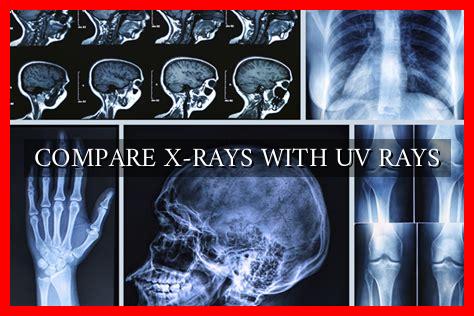
X-rays are a form of electromagnetic radiation with wavelengths shorter than those of UV rays. Discovered by Wilhelm Conrad Roentgen in 1895, X-rays have since become an essential tool in medical imaging, allowing healthcare professionals to see inside the human body without invasive procedures.
- X-rays are commonly used for diagnostic purposes, such as detecting fractures, tumors, and other abnormalities in the body.
- They are also used in security screening at airports and in industrial applications for inspecting materials.
UV Rays: The Sun’s Energy
UV rays, on the other hand, are a form of electromagnetic radiation emitted by the sun. There are three types of UV rays: UVA, UVB, and UVC.
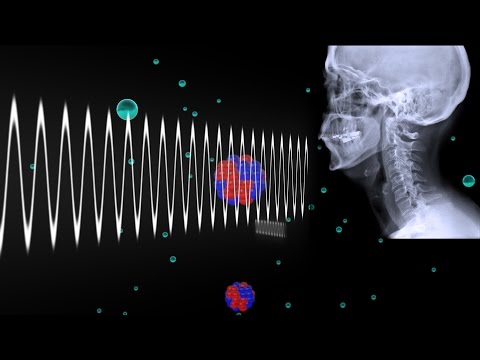
. While UVA and UVB rays reach the Earth’s surface, UVC rays are absorbed by the ozone layer.
- UV rays play a crucial role in vitamin D synthesis in the skin, but overexposure can lead to sunburn, premature aging, and an increased risk of skin cancer.
- UV rays are also used in various applications, such as sterilization, tanning beds, and fluorescent lighting.
Comparing Properties
While both X-rays and UV rays are forms of electromagnetic radiation, they differ in terms of their wavelengths, penetration abilities, and potential risks.
- X-rays have shorter wavelengths than UV rays, allowing them to penetrate deeper into tissues and produce detailed images.
- UV rays have longer wavelengths and are primarily absorbed by the outer layers of the skin, leading to sunburn and other skin damage.
Potential Risks
Both X-rays and UV rays have potential risks associated with their exposure. X-ray exposure can increase the risk of cancer, particularly in high doses or with repeated exposure. UV ray exposure can lead to skin damage, premature aging, and an increased risk of skin cancer.
- It is essential to limit exposure to both types of rays and take necessary precautions, such as wearing protective gear and following safety guidelines.
Conclusion
While X-rays and UV rays are both forms of electromagnetic radiation, they serve different purposes and have distinct properties. Understanding the differences between these two types of rays is crucial for ensuring their safe and effective use in various applications. By being aware of the potential risks and taking necessary precautions, we can harness the power of X-rays and UV rays while minimizing their harmful effects on human health.
For more information on X-rays and UV rays, you can visit the American Cancer Society’s website.